The tracking that Elliptic updated on November 6 leaves a picture different from the one the headline of the theft suggests. Of the 6.430 billion taken from Binance, some 124 million in altcoins have already been converted to bitcoin, 2.850 billion are frozen and around 3.110 billion remain in addresses linked to the attack. The laundering operation has used more than 20,000 wallets and 16 different networks, and none of those figures is final.
The figure that says most about the state of the case is not any of those numbers, but the pace. Nine days after the assault, most of the haul has not moved from where it landed. Converting stolen crypto into usable money requires passing through exchanges, mixers and over-the-counter brokers, and every hop leaves a record that the next investigator can follow at leisure.
The timeline of the attack and the freezes explained how the money left the wallets. What Elliptic's report adds is what has happened since, and the short answer is that very little has reached the end of the road. The haul remains, above all, a logistical problem for whoever holds it, and the clock is running against them, not in their favor.
What has moved and what is still sitting still?
The bulk of the conversion comes from the altcoins. Close to 50 million in XRP has passed through THORChain, almost all of it into bitcoin, and some 226 million in XRP is still untouched. The rest of the stolen Solana has already been mixed, swapped or bridged to bitcoin, according to the same firm, and that money adds to the 1.480 billion taken in that currency from the start.
The 3.110 billion still in identified wallets is mostly ether and bitcoin. The frozen portion amounts to 2.850 billion, a figure that matches what the stablecoin issuers published when they blocked addresses. The detail of how Circle and Tether immobilized 2.600 billion of the haul fits that tally and its limit: the mechanism only reaches the tokens they issue.
There remains a gap of some 470 million that Elliptic does not attribute. It could be the price difference between the time of the theft and the time of measurement, money already cashed out, or a mix of both. The report leaves it open, and that is why any headline about recovered funds should be read with a calculator in hand.
That gap also explains why the figures in the case vary by source. The exchange says 6.430 billion, the FBI more than 6.000 and the stablecoin issuers what each one froze. None is lying: each measures a different part of the same hole at a different moment.
A laundering operation in dribs and drabs
The first obstacle is one of size. Moving 6.430 billion through public networks without the price collapsing or analysts noticing is a logistics problem, not a click. The 65,000 transactions spread across 20,000 wallets describe precisely that: fragmenting so as not to stand out and paying for each fragment in fees and in time.
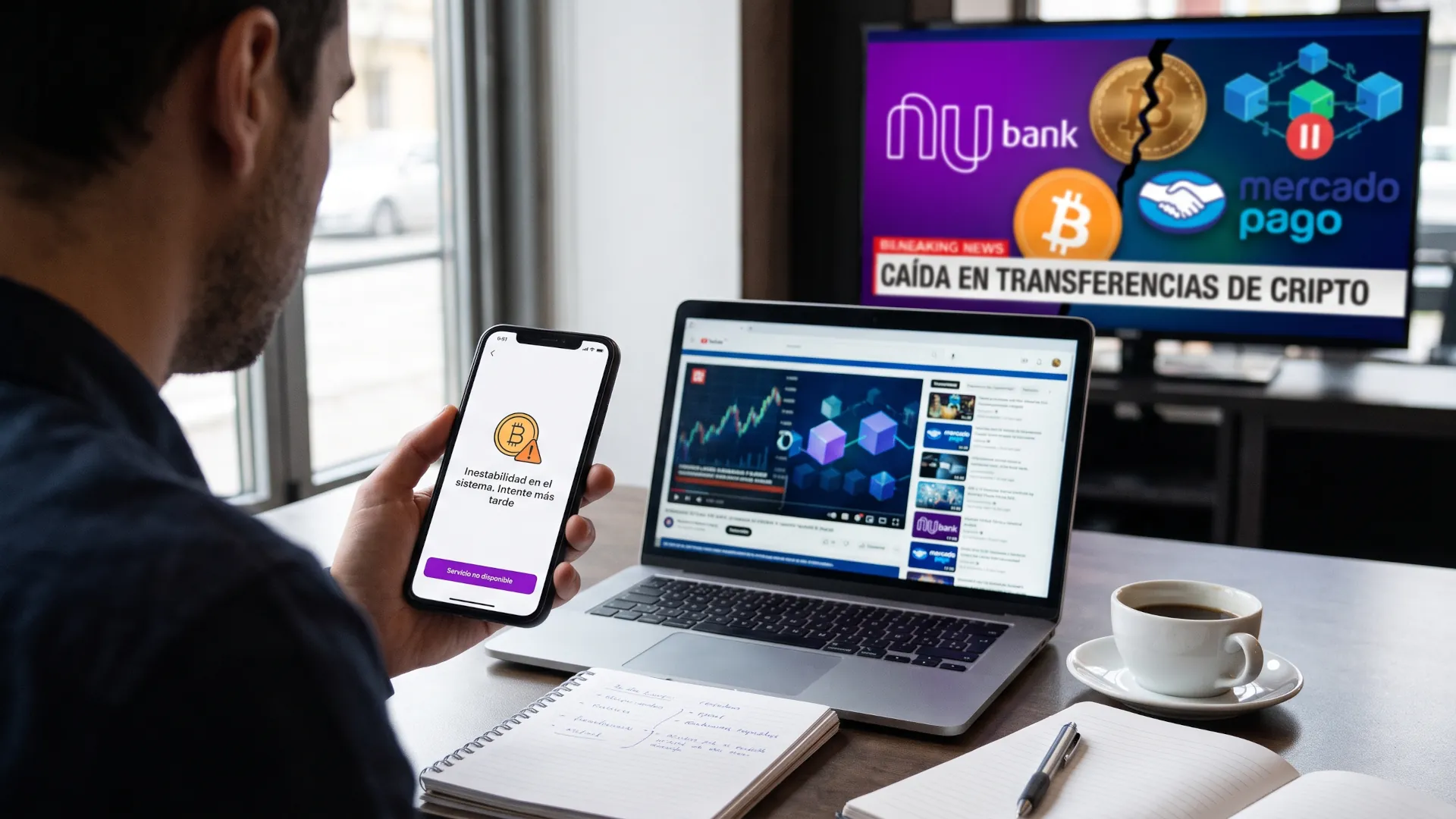
The second obstacle is conversion. Every exchange is a point of contact with a provider that keeps records, and every bridge between networks leaves a trail that can be cross-referenced with the previous one. The reopening of THORChain's chains showed this week how much the ecosystem depends on those pipes and how an incident in one of them forces the rest to stop.
The third is the exit. Converting bitcoin into bank money requires an intermediary with compliance, and that is where North Korean groups have failed before. Elliptic expects the rest of the ether to be converted in small batches before attempting to cash out through over-the-counter brokers and China-based money-laundering networks, a pattern they have seen in previous thefts.
There is a fourth, more prosaic reason: time works against the launderer. With each passing day, more addresses are on sanctions lists and more exchanges have automatic blocking rules. What nine days ago was a clean wallet is today a label that trips in any compliance tool.
That wear explains why the haul moves in batches and not all at once. Each batch has to wait for the route to be clean, and each clean route lasts less than the previous one. The 124 million converted is not the start of a quick cash-out, but the portion of the money that found a path that was not yet being watched.
The debate over AI agents
The report includes a sentence worth quoting in full, because it settles a speculation that circulated in the first days. The laundering is clearly automated, but nothing observed shows an AI agent making decisions. It is a useful distinction: automating a transfer is old-fashioned scripting, and deciding which wallet to send it to based on the previous result is something else.
The confusion came from the exchange's own report, which described a months-long intrusion with a tampered development tool, a fake job interview and access to the signing system. That part of the story is in the piece on the interview that opened the way, and it does not imply that the subsequent laundering was directed by a model.
For the reader following the case from outside, the nuance matters less than the consequence. If the laundering were autonomous, the only defense would be technical and would arrive late. If it is a semi-automatic process with people deciding the hops, the window to trace and freeze remains open, and this week both tools have been used: chain analysis and orders to issuers.
What does it mean for anyone with funds at stake?
For Binance's customer, the relevant fact is that the exchange claims to have replenished practically all the stolen assets and is preparing to reopen withdrawals for several tokens. That reopening has its own calendar and its own reading, and it does not change what the tracking says about the money that remains outside the exchange's wallets.
For the rest of the sector, the conclusion is more uncomfortable. The freezing of 2.850 billion was done by two private companies with a list of addresses, not a regulator. Effective recovery depends on someone deciding what to do with the 3.110 billion still in wallets, and that someone does not yet exist with a name and a surname.
The case of Mercado Bitcoin left the small version of the same problem: 48,6 million, 36.042 addresses and a platform buying back assets with its own money. The difference in scale does not change the underlying question, which is who bears the cost when the trail goes cold and the money is no longer anywhere that can be blocked.
The large version has three figures that move every day and one question without an answer. How much of that haul will end up in an address someone can freeze before it becomes a payment is, today, the only useful measure of whether the sector learned anything from October 29. The rest are estimates that change when the price changes.