Copilot is turning Windows into an unbearable maze
There was a time when turning on a computer was an act of complicity between the user and the machine. The operating system was a blank canvas, a silent, efficient tool designed to serve us, and many of us enjoyed that, especially on Windows. Today, turning on Windows feels more like walking into a declining shopping mall: bright signs you didn't ask for, AI salespeople hounding you on every corner and a constant sense that the software no longer belongs to you.
And at this point, no one in the industry doubts anymore that Windows is undergoing an aggressive process of enshitification (a term coined by writer Cory Doctorow to describe how technology platforms die by actively degrading their user experience).
The engine behind this decline? Corporate panic, an alarming lack of vision, a total disconnect from users and their reality, plus Microsoft's obsessive fear of being left behind in the era of artificial intelligence and Linux. In its rush to please Wall Street investors, Redmond is neglecting what matters most: that the system simply works.
Recall: The "Big Brother" nobody asked for and everyone fears
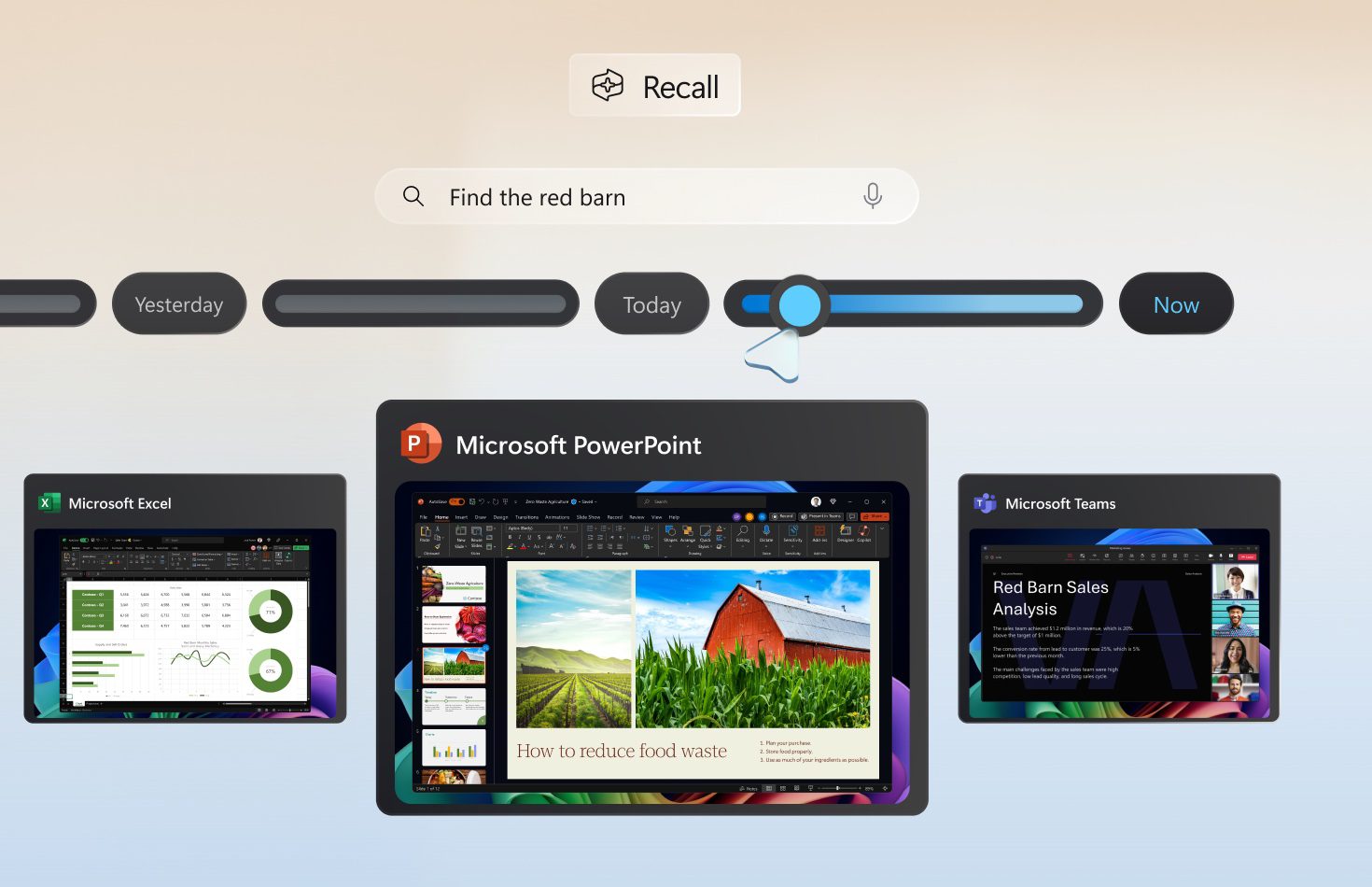
The most paradigmatic and alarming example of this era is Windows Recall, a feature originally designed to take screenshots of absolutely everything you do on your monitor every few seconds, indexing your movements so an AI can "remember" and search your past activity.
What Satya Nadella proudly presented as the dawn of a photographic revolution in productivity was immediately received by the cybersecurity community as a dystopian nightmare come true. In its first test versions, the technical horror was discovered: the system stored this massive history of images and text extracted by OCR in a completely unencrypted SQLite database inside the device, leaving passwords, banking data, private emails and confidential conversations on a silver platter for any basic malware or malicious actor that gained local access.
Recall, the biggest spyware in Windows
This colossal design blunder unleashed such unanimous and visceral rejection that it forced Microsoft into a humiliating retreat, delaying its mass launch, turning the feature into something optional (opt-in) and promising severe layers of encryption through Windows Hello.
However, the wound to consumer trust was already inflicted and the message behind the development was laid bare with total clarity: in the demented rush to justify the existence and the inflated cost of its new "Copilot+ PCs" equipped with NPU chips, Redmond was willing to sacrifice the most basic principles of its users' security and privacy.
In the end, Recall was not born from a real market need or from a request by those who use the system every day, but from the corporate panic to package an artificial "Big Brother" to sell new computers at all costs, cementing itself as the definitive monument to modern enshitification.
Copilot everywhere you look
On the other hand, the obsession with omnipresence has led Microsoft to shoehorn its AI assistant, Copilot, into every imaginable corner of the operating system, transforming an environment that used to be minimalist into a maze saturated with redundant features.
Today, users run into this unwanted guest in the taskbar, forcibly embedded in the right-click context menu, watching from the Office suite and, almost comically, lurking in historically lightweight tools like Notepad or Paint. This colonization of the interface has not resulted in a smarter or more intuitive operating system, but in an amalgam of background processes that feel heavy, clumsy and fragmented, sacrificing visual coherence on the altar of AI usage metrics.
The real cost of this imposition is paid in the daily performance of the hardware, where the once sacred fluidity of Windows has been the main victim. Support forums and tech communities around the world are flooded daily with reports from users experiencing inexplicable freezes in the taskbar, strange flickering on the screen when invoking the assistant and absurdly disproportionate RAM consumption. All for a process that the vast majority rushes to disable through registry tricks or third-party tools as soon as they turn on the device, and that Microsoft insists on reviving with every update, reactivating over and over what the user disables.
By prioritizing a technology that behaves more like a resource parasite and even like malware/spyware than like a genuine system utility, Microsoft has turned the taskbar (a critical component that required decades of mathematical optimization and absolute stability) into a slow, frustrating bottleneck. Proving that they are willing to slow down your workflow as long as you interact with their expensive toy and, if possible, pass through the advertising checkout.
From productivity tool to billboard
One of the most striking elements here is the Windows 11 Start menu, which has become, by its own merit, patient zero and the most visible symptom of the enshitification corroding the ecosystem.
What was historically designed as a sanctuary of productivity (a clean, predictable shortcut to your most-used apps and documents) has been degraded into a chaotic catalog of AI-forced recommendations, shortcuts to preinstalled mobile games nobody asked for and cloud services that saturate the user's view. Far from respecting the workspace of those who paid for a software license, Microsoft uses this central node of the user experience as an interactive billboard, plagued with invasive reminders and blatant ads designed with dark patterns to push you into subscribing to OneDrive or Microsoft 365.
This aggressive monetization strategy has turned operating system administration into a game of cat and mouse that is frankly exhausting. Every new semi-annual update or monthly patch seems to bring with it a brand-new toggle, deliberately buried in the darkest submenus of settings, whose sole purpose is to disable the latest "suggestion" (the elegant corporate euphemism for advertising) that the company has decided to inject directly into your desktop.
By commodifying the most sacred space of the interface and subordinating it to recommendation algorithms seeking to inflate the metrics of its integrated services, Redmond has broken the basic promise of an operating system, forcing users to configure their environment not to work better, but to defend themselves from the constant commercial invasion of their own computer.
To feed the frantic, instant-consumption pace demanded by the current AI bubble, the Windows development cycle seems to have thrown any elementary notion of quality control out the window.
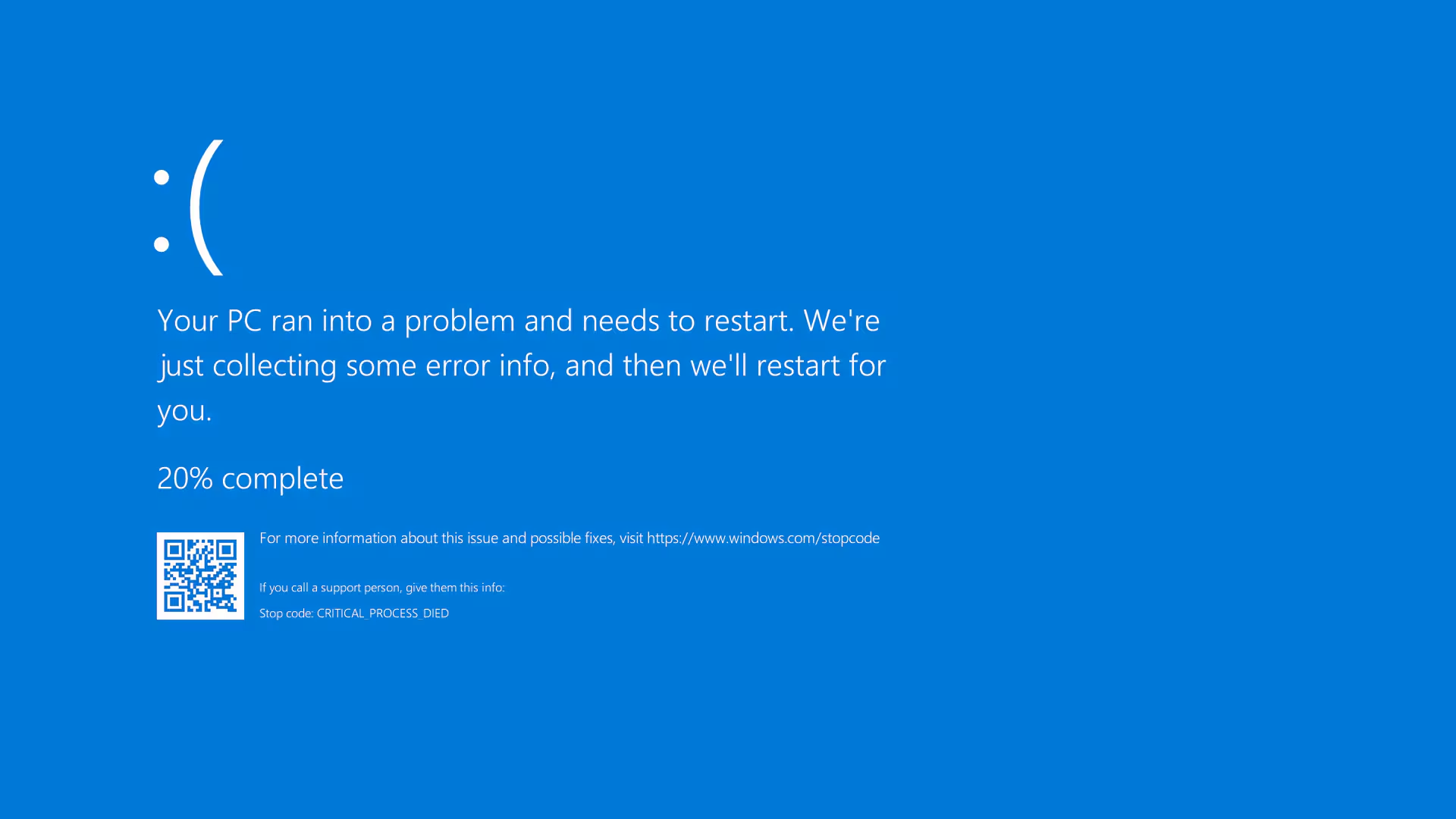
Monthly security and feature updates have become, for the average user, a genuine digital game of Russian roulette, where clicking the check-for-updates button is a high-risk act of faith. It is now customary to see rushed patches completely break Wi-Fi connectivity for entire offices, destroy frame rates in video games due to poorly optimized power profiles that confuse processor cores, or massively revive the dreaded and infamous "blue screen of death" (BSOD).
BSODs were a problem Windows 7 had reduced to a minimum, but with Windows 11 and its new AI features, we are seeing them again.
The root of this problem is clear: Microsoft is so obsessed with implementing cosmetic generative AI features in Paint, Notepad or the Snipping Tool to inflate its marketing presentations. All in order to silently dismantle rigorous testing processes in physical labs, stopping testing the operating system across the infinite, real variety of hardware that exists in the real world, and effectively turning its millions of users into an involuntary army of beta testers.
The dirty war against rival browsers and local accounts
The pathological fear of technological irrelevance in the face of advancing foreign ecosystems has turned Microsoft into an extremely hostile and desperate corporate player. Setting up a simple local account on Windows, that is, the basic right to turn on your computer and use it privately without having to mandatorily link a digital identity to the company's servers, has become an odyssey plagued with hidden menus, interface design traps and mandatory tricks that require opening the command console to bypass the network lock.
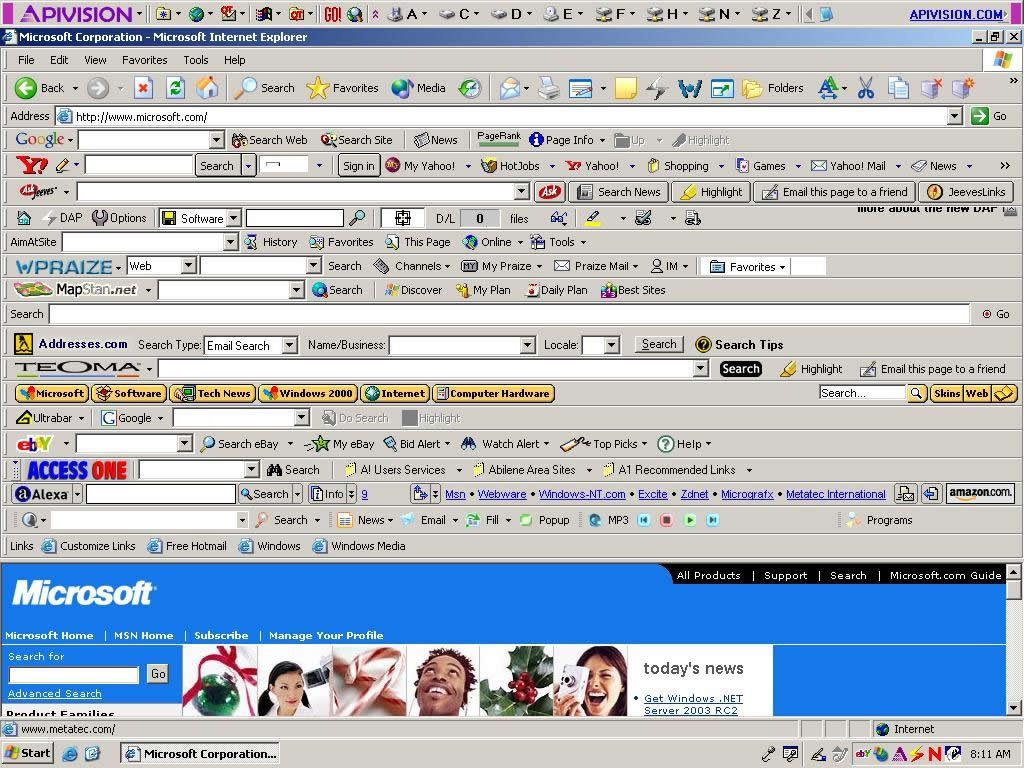
This same aggressiveness extends to the handling of third-party software: the system actively ignores your decisions if you commit the "sin" of choosing Chrome, Firefox or Brave as your default browser. Through a forced internal protocol, the system's own links open mandatorily in Edge. This was a browser that initially launched with a clean, fast proposition. But today it is so saturated with shopping tools, financial trackers, coupon offers and AI sidebars that it resembles more an adware or malicious toolbar from the 2000s than a professional tool, a bad memory of dark times.
This is how Internet Explorer was in the 2000s, and at the rate Edge is going, in a couple of years it may be no different.
Microsoft has made it clear that it wants to sell you its cloud ecosystem and its search engine no matter the cost, even if to achieve it it has to blatantly trample consumer freedom of choice.
The diagnosis: Windows is no longer designed for the user; it is designed for shareholder metrics
When analyzing the full picture, the conclusion is as inevitable as it is bitter: Windows is no longer developed with the comfort, stability and needs of the human being sitting in front of the screen in mind; it is now designed solely and exclusively to inflate quarterly reports and feed Wall Street metrics.
Microsoft's blind panic at losing the artificial intelligence arms race to Google, OpenAI or Apple has pushed it to betray the very nature of its flagship product, turning what used to be a reliable productivity suite into a massive experiment in aggressive monetization and data collection.
If the leadership in Redmond does not correct course soon, if it does not remember that an operating system is, above all, critical infrastructure that must guarantee invisible stability instead of acting as a strident advertising platform, the tech giant could discover, too late, a harsh lesson: true oblivion and the mass migration of its users will not come from having failed to integrate enough AI, but from having thoroughly fed up and alienated the customer base that kept it on top for decades.