RefreshOS 3.1 moves to Debian 13.7 and makes Linux gaming easier
RefreshOS has released version 3.1, an update to its "Colorful Cosmos" branch that arrives with KDE Plasma 6.3.6 and three changes that go beyond the version number. The first is the base: the system moves from Debian 13.4 to Debian 13.7 and switches the kernel to 6.12.113. The second is the infrastructure, with its own APT repository at repo.refreshos.org split into three channels. The third is support for the i386 architecture, which many older machines will welcome.
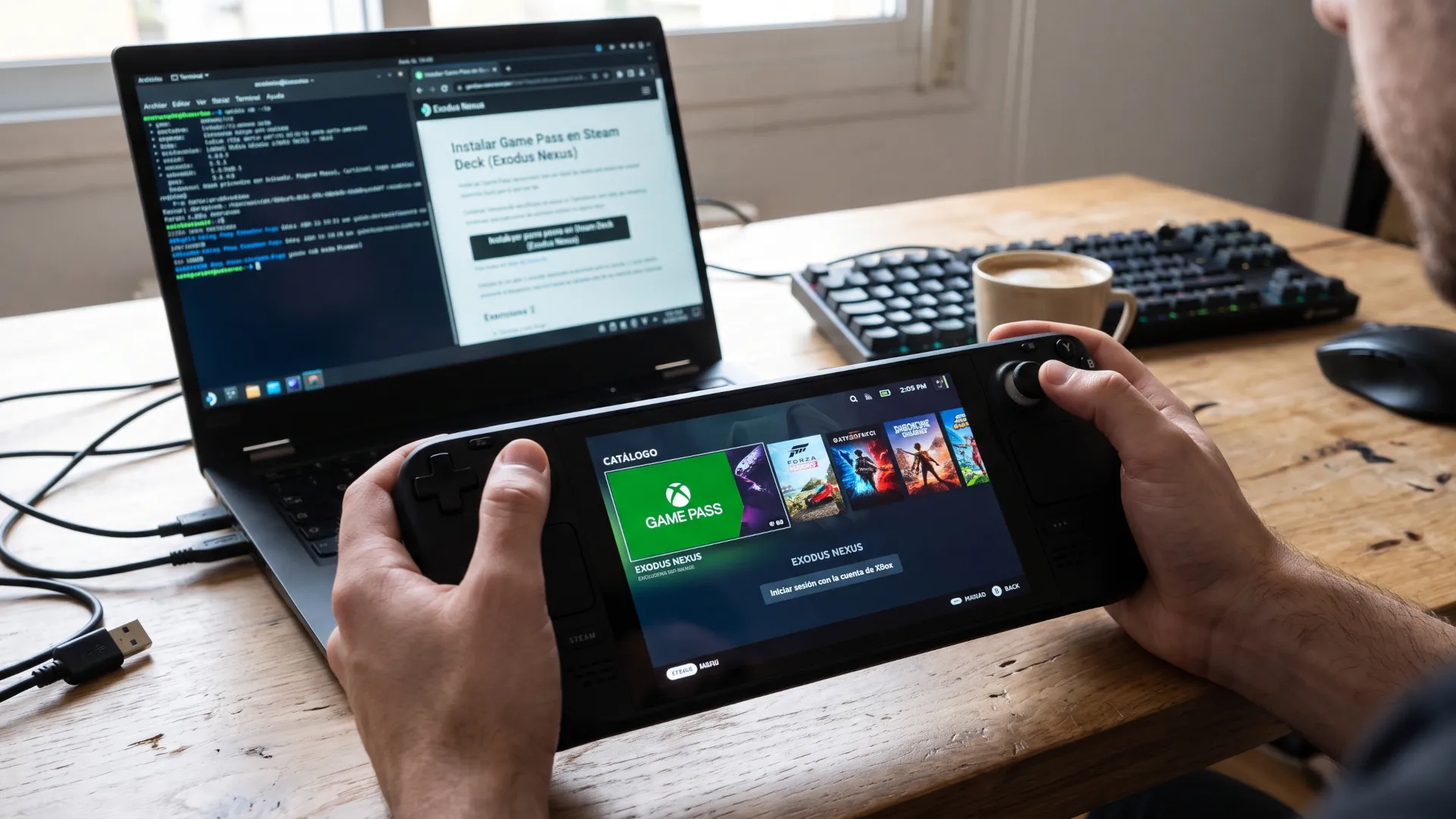
That last point is the one that will interest Linux gamers most. A good part of the Steam catalogue depends on 32-bit libraries, and a distribution that does not offer them forces workarounds that break with every update. Adding i386 means the dependencies for those games can be installed in the normal way, with the package manager doing its job.
The version shipped a month after the distribution completed its previous cycle, and confirms a roadmap of frequent updates on a stable base. It is the strategy of small distributions that want to stand out without maintaining an entire repository from scratch. The release arrives with a refreshed image and a kernel change worth reviewing before updating machines used every day.
Its own repository changes the relationship with Debian
Until now, RefreshOS was a customization layer on top of Debian. With its own repository it now has three channels, Stable, Testing and Experimental, where it can distribute its own packages and test them before they reach users.
The change has two consequences. The first is speed: its own patches and tweaks no longer wait for Debian's schedule. The second is responsibility: an own repository is also a target that must be signed, maintained and audited, and that burden falls on a small team.
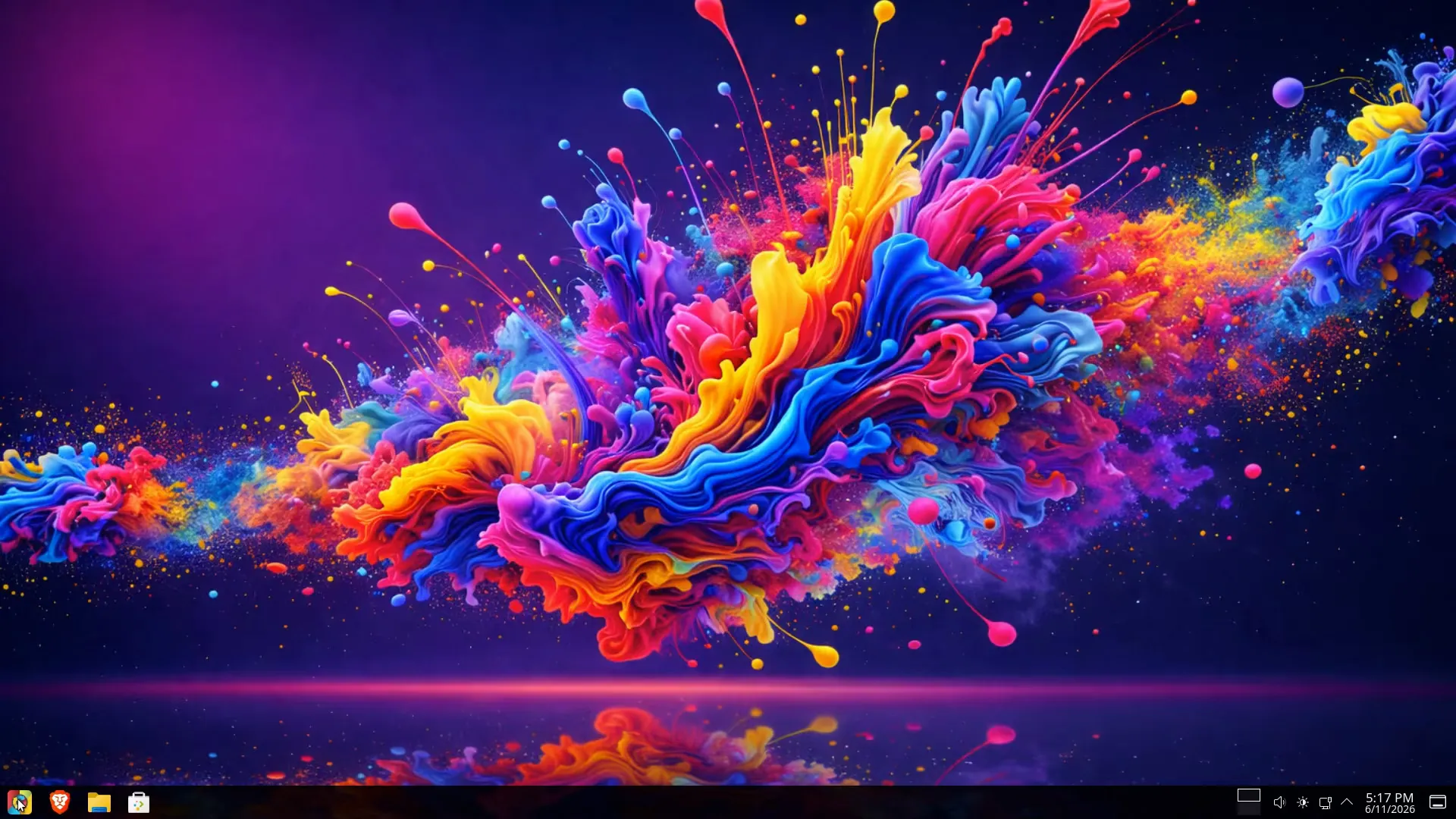
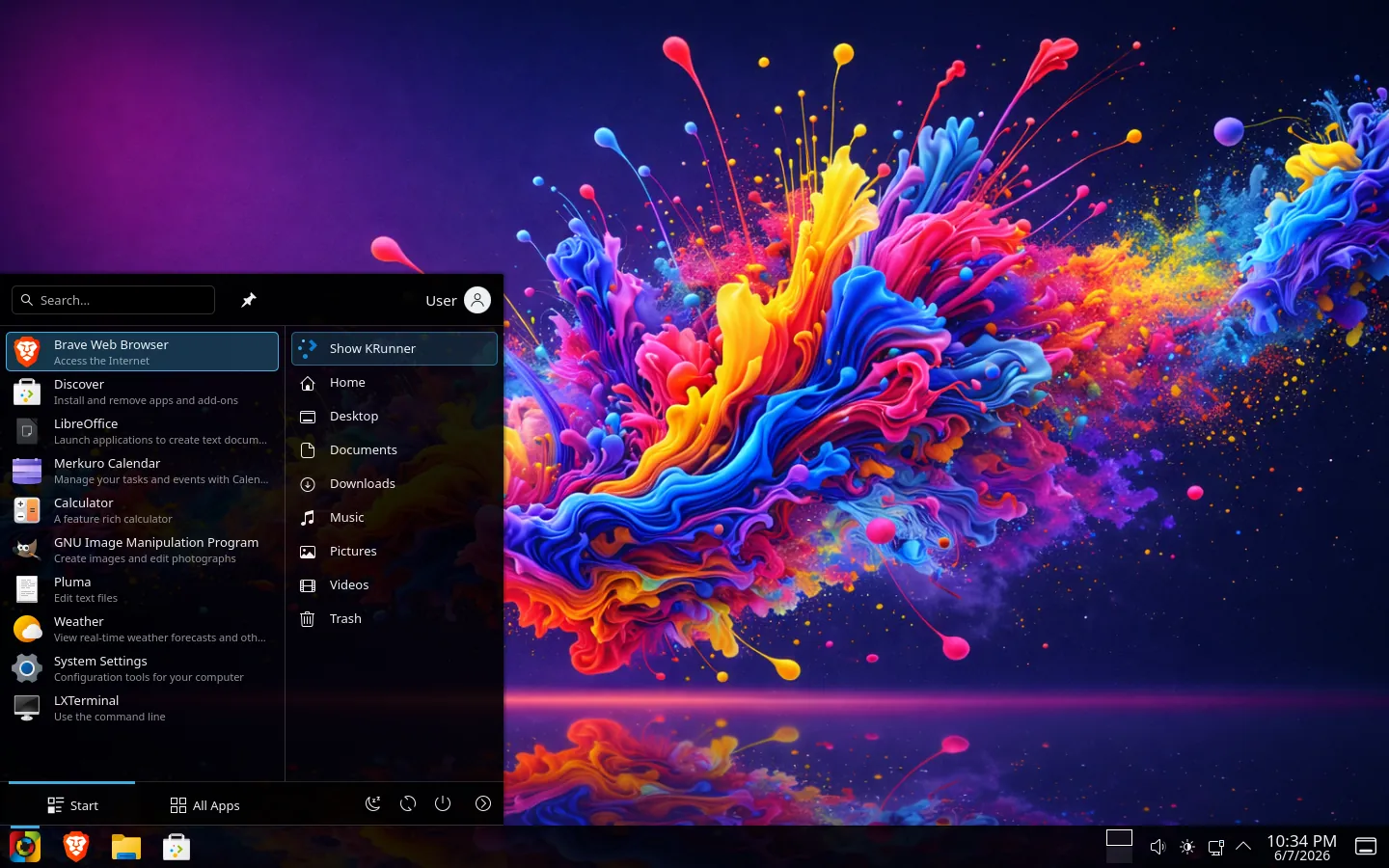
A look at RefreshOS 3.1 and its interface
The project has accompanied it with a `refreshos-release` package that manages branding and configuration updates through APT, signed metadata and its own keyring. The APT preferences are set to prioritize RefreshOS packages when there is a conflict with the Debian version, a decision worth knowing before troubleshooting any dependency problem.
New feature
Detail
Base
Debian 13.4 to Debian 13.7
Kernel
6.12.113
Desktop
KDE Plasma 6.3.6
Repository
repo.refreshos.org with Stable, Testing and Experimental channels
Architecture added
i386 (32-bit), useful for Steam
New package
`refreshos-release` for branding and configuration via APT
Installer
Calamares with a refreshed image
i386 is not nostalgia, 32-bit is not dead yet
For years, distributions have been dropping 32-bit support with reasonable arguments: less maintenance surface, fewer packages to compile, fewer combinations to test. The problem is that consumer software has not always followed the same path.
Games are the most visible case. Many old and not-so-old titles still need 32-bit libraries to launch, and the compatibility layers that translate Windows calls to Linux cannot conjure those libraries if the system does not have them. The result was a user who installed Steam and discovered that half their library would not start.
RefreshOS has decided that this user is its audience and has added the architecture. It is a decision consistent with a distribution that had already been fine-tuning KDE and that now positions itself as a convenient option for gaming without complications.
Comparison with other proposals in the ecosystem helps to place it. There are distributions that bet on immutability and reproducible boot, as seen in the debate between NixOS, Silverblue and MicroOS, and others that prioritize gaming performance, such as those that rely on the Linux 7.3 scheduler. RefreshOS takes the middle path: a stable base, a classic desktop and the missing pieces for gaming.
The menu detail and the language
Among the small changes there is one that deserves a mention because it neatly captures the kind of bug a desktop distribution sets out to fix. KDE's restart menu failed to open shortcuts to standard folders such as Home, Desktop, Downloads, Documents and Pictures when the system was set to a language other than English.
That kind of bug does not show up in testing if the development team works in English. And it is not fixed with documentation: it is fixed when someone running the system in Spanish reports it. RefreshOS has corrected the behavior both in the installer and on systems already installed.
The lesson applies to any small project: languages are a quality feature, not a later adornment. A distribution that presents itself as convenient has to work in the language of the person installing it.
What else is in the image?
The rest of the release is maintenance. The Calamares installer branding has been updated, file permissions fixed, handling of default user configurations improved and repository entries that no longer exist removed.
The image has also been cleaned up by removing obsolete packages, old kernels, cached data and build artifacts. It is the least glamorous part of any release and the one that decides the download size and installation time.
There is also a modified KDE package, `libkf6kiofilewidgets6`, served from the project's own repository with preference over the Debian one. That kind of intervention is what explains why the project's own repository was necessary and, at the same time, what requires the project to document every deviation so it does not become a source of surprises.
Upgrading from the previous version
The jump from 3.0 is simpler than in other distributions because the base is the same Debian branch and the desktop does not change major version. Even so, there are two precautions that save trouble: check that the new repository is configured before launching the upgrade and check the status of the packages that come from Debian and now have their own version.
The `refreshos-release` package is the one in charge of keeping branding and configuration up to date, and it is best not to delete it or replace it by hand. If something breaks after upgrading, that is the first place to look: a conflict between the project's package and Debian's explains most incidents in this type of distribution.
Who it makes sense for
RefreshOS does not compete with Ubuntu or Fedora. It competes with the Debian install someone does one weekend and then abandons because it is missing pieces. Its promise is that same base with the desktop already configured and patches up to date.
For anyone with a secondary machine for gaming, the combination of KDE, Debian base and i386 is attractive. For anyone administering servers, it adds nothing. And for anyone who wants the latest version of everything, there will always be a fast-cycle distribution that gets there first.
What it does achieve with this release is to stop being a pretty remix and start having its own infrastructure. It is the step that separates a project from a whim, and the one that decides whether in two years there will be a version 4.0 or an abandoned repository.