The stabilization of the bolívar causes demand for USDT to plummet in Venezuela following the historic lifting of US sanctions against the Central Bank. What for almost a decade was the main financial lifeline for millions of Venezuelans now faces a downward correction driven by the return of national banks to the SWIFT system. With direct access to foreign currency through legal channels and a drastic reduction in the exchange rate gap, the "risk premium" that sustained the value of the digital dollar is fading, forcing the crypto ecosystem to evolve from a survival tool into a far more technical investment and remittance model
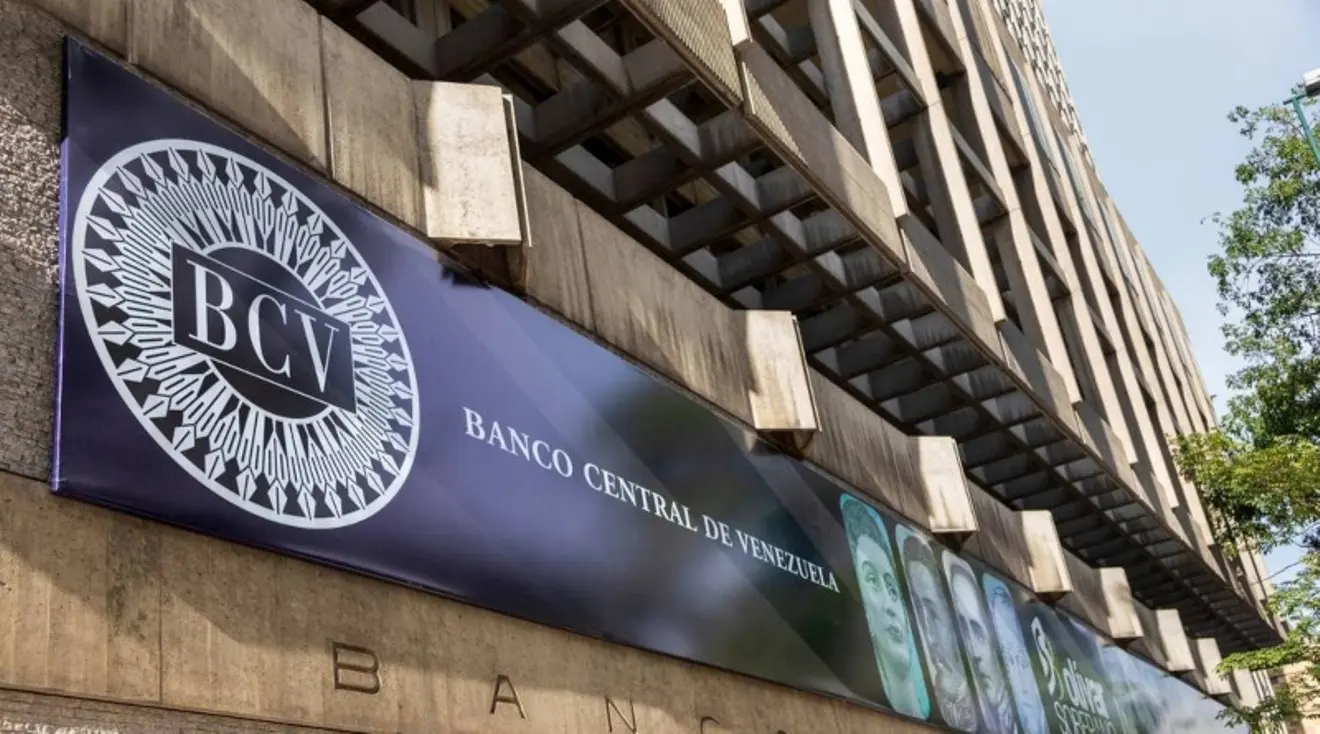
Venezuela's financial architecture has taken a historic turn following the official announcement by the United States Department of the Treasury, which on April 14, 2026, made effective the lifting of the sanctions that weighed on the Central Bank of Venezuela (BCV) and three other public banking entities.
This measure, which comes in a context of political transition and a reconfiguration of diplomatic relations between Washington and Caracas, marks the end of a period of financial isolation that lasted almost a decade. The news has provoked an immediate reaction in the markets, translating into unprecedented exchange rate stabilization and opening the door to an ambitious economic recovery program.
The end of isolation
The lifting of restrictions on the BCV allows, for the first time since 2017, the country's top monetary authority to operate transparently in the international payments system. Technically, this implies regaining access to the SWIFT network and the possibility of mobilizing funds in foreign currency that were blocked in correspondent accounts abroad.
The shortage of dollars and inflation drive the use of USDT in Venezuela
For the formal banking sector, this opening means the reestablishment of international credit lines and the ability to process cross-border transfers without the extra costs associated with financial triangulation. Sector analysts estimate that capital flows into the country could experience a massive increase, facilitating the import of capital goods needed to revive electrical and oil infrastructure.
Market reaction and the collapse of USDT
One of the most sensitive indicators to this announcement has been the digital asset market. Historically, in Venezuela, the use of stablecoins such as USDT (Tether) served as the main hedging mechanism against hyperinflation and the devaluation of the bolívar. However, after the news of the lifting of sanctions, the market has experienced a downward correction in the price of USDT against the local currency, according to P2P.army.
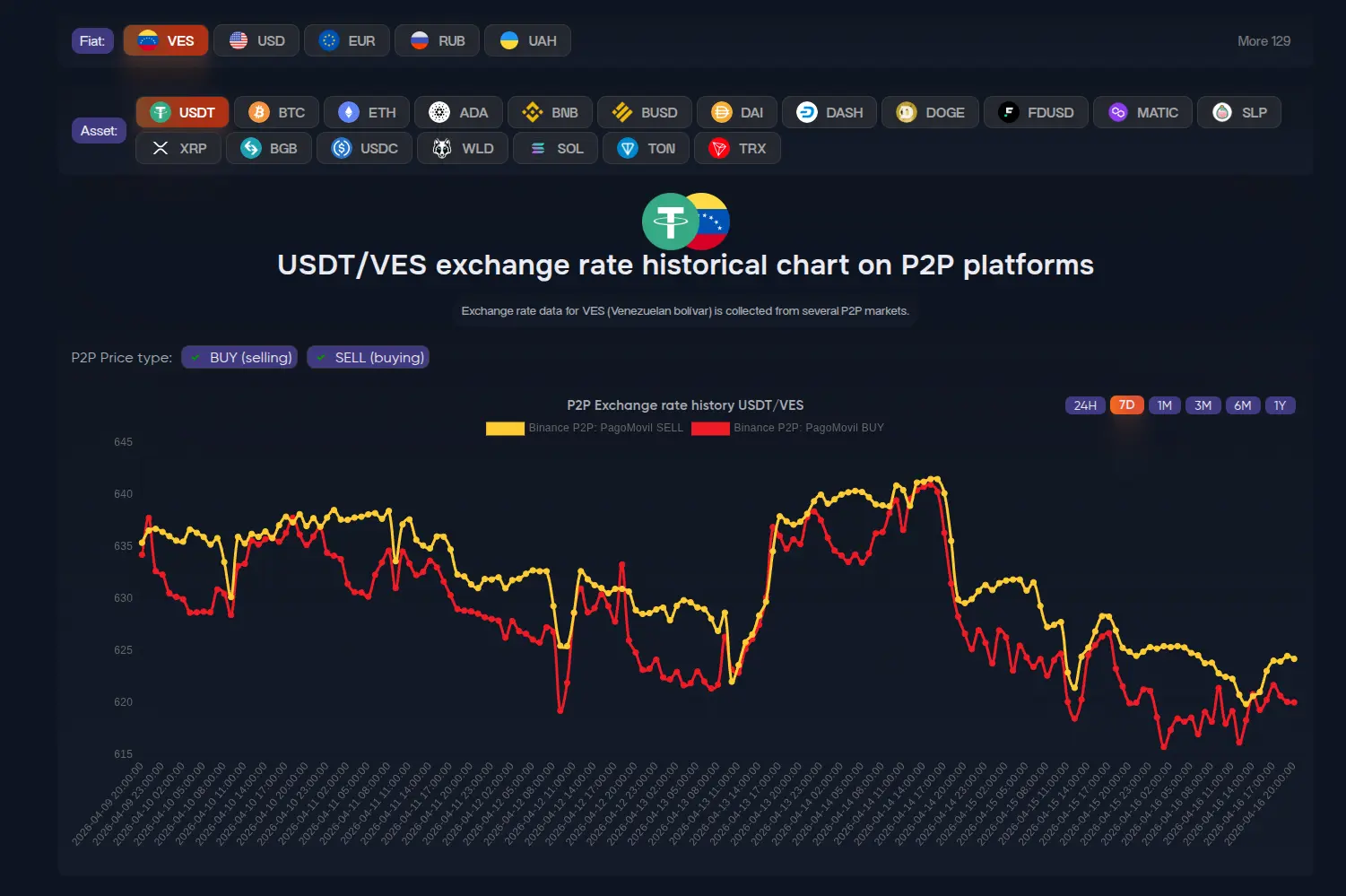
And with the BCV having direct access to the formal foreign exchange market, demand for digital assets as a store of value has declined, since the private sector can now access dollars through traditional banking mechanisms.
In addition, the gap between the official and parallel exchange rates has narrowed drastically. The cryptoasset market has reacted by adjusting the value of the USDT token toward more competitive levels, eliminating the risk premium previously paid for digital liquidity. At the time of writing, the value of USDT is around 624 VES/USDT, when 7 days ago it was at 635 VES/USDT, while the highest point of the past month placed the market above 674 VES/USDT.
This makes clear the impact of foreign currency inflows through legal channels in reducing pressure on P2P (person-to-person) platforms, allowing the bolívar to gain a stability not seen in years.
Guide to protecting your money from Banco de Venezuela policies and the devaluation of the bolívar
Inflation outlook and the economic restart
Now with this move, the BCV's ability to intervene in the foreign exchange market with real liquid reserves augurs a significant drop in the consumer price index.
For years, inflation in Venezuela was fueled by the scarce supply of foreign currency and monetary issuance of VES to cover the deficit. Added to this, the reactivation of oil revenues through the formal financial system will cause inflationary pressure to begin to ease, and Venezuelans to see prices begin to rise more slowly.
This scenario is what has allowed the national debate to now focus on adjusting wages. The national executive under the control of Delcy Rodríguez is expected to announce in the coming days an increase in the minimum wage that could climb from the current 0.5 dollars a month (a symbolic figure eroded by years of crisis) to a floor of 100 dollars.
This adjustment would represent the largest economic restart in the nation's contemporary history, returning part of the purchasing power to workers and boosting domestic consumption. Although the wage level is still far from the regional baseline (about 400 dollars), if carried out, Venezuelans will see a significant salary increase that will improve their quality of life.
The role of digital assets in the new phase
However, despite the recovery of traditional banking, cryptoassets will not disappear from the Venezuelan ecosystem. On the contrary, an evolution toward a more technical and specialized use model is expected.
On the one hand, the use of tokens for sending remittances will remain a competitive alternative due to its low friction and settlement speed, especially for the population that is still unbanked.
In addition, the transparency offered by blockchain networks could allow new investment projects in the country to use real-world asset tokenization (RWA) to attract foreign capital, under a more predictable legal framework after the end of sanctions. Something that will require important changes at the regulatory and transparency level nationally, but the political environment appears to be positive for achieving that path.
Prediction market capital does not buy the opposition's transition in Venezuela
A unique opportunity for reconstruction
This makes clear that Venezuela is facing a unique window of opportunity. The combination of a steady flow of foreign currency, a stable currency and a substantial increase in the minimum wage lays the foundations for an organic recovery. The greatest challenge for the authorities will be to ensure that this new liquidity translates into productive investment and not into a new spiral of inefficient spending.
After all, the return to global financial normality not only benefits the State, but also empowers the private sector, which will now be able to compete on equal terms, import technology without restrictions and participate in international trade directly. The transition from an economy of resistance to one of growth finally seems to have begun.