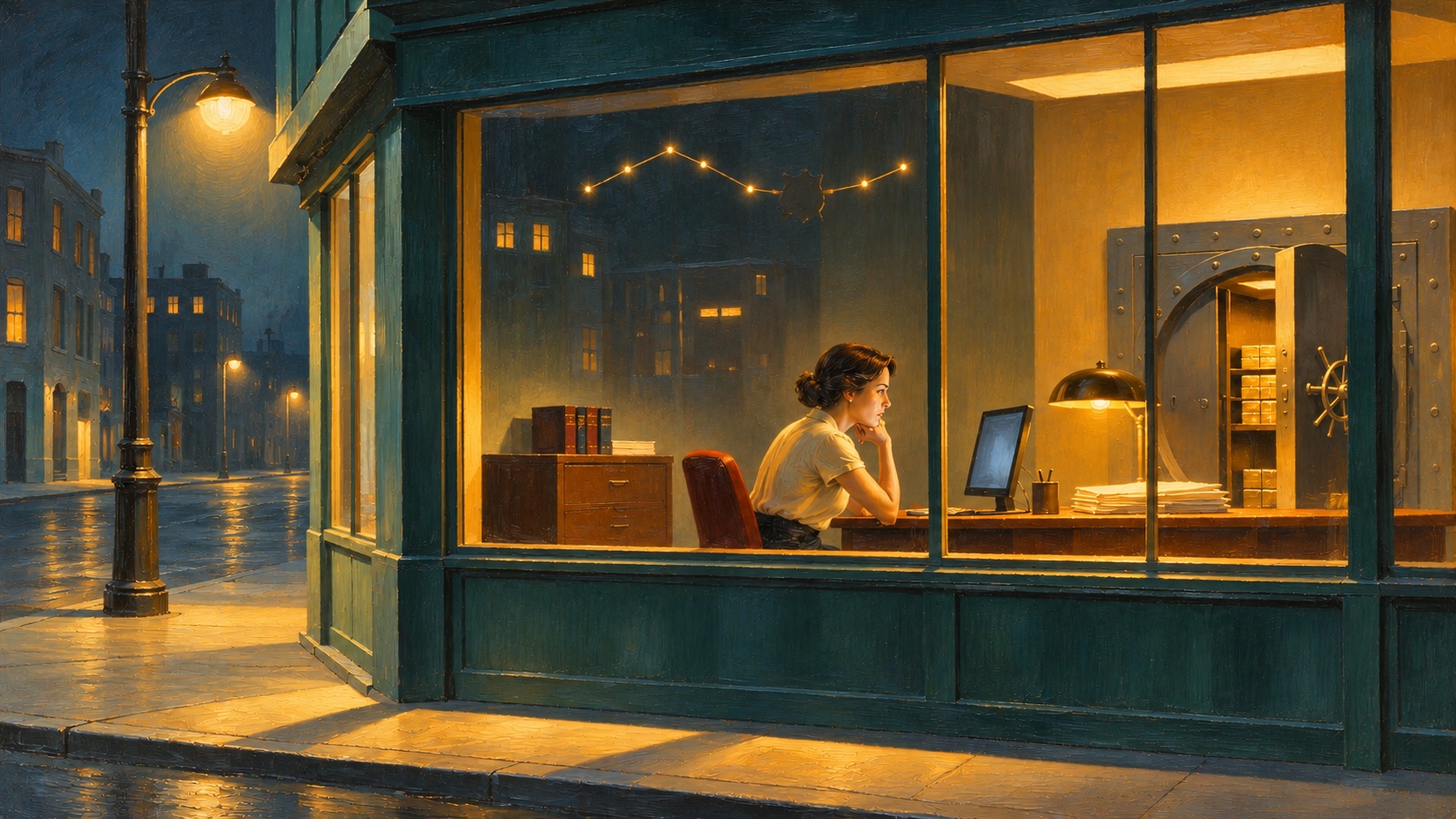
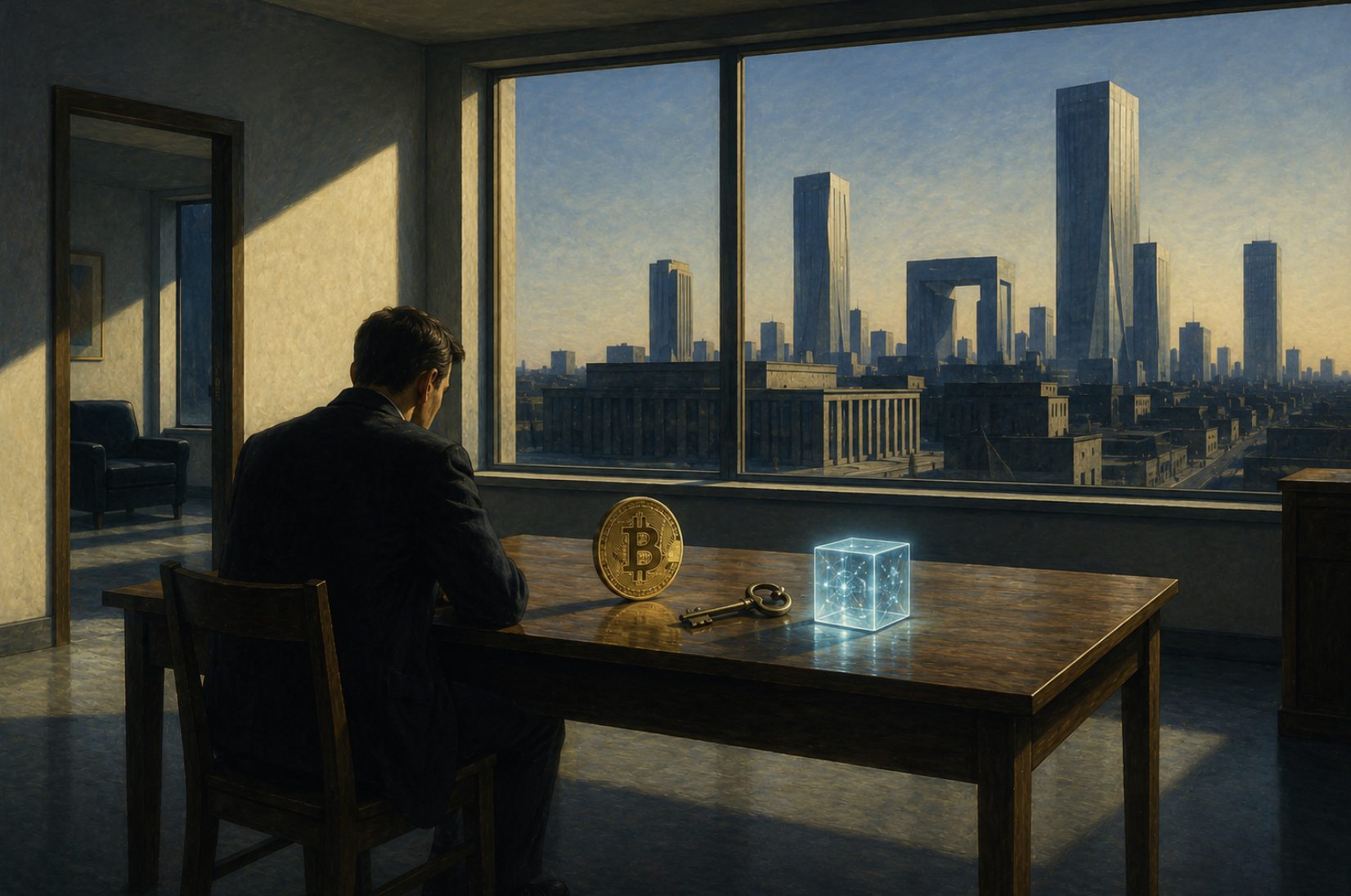
Last Friday, Observatorio Blockchain published an article by José Maldonado highlighting Apple and Sony's commitment to the renting of technology. What does the shift from a dominant logic of ownership to a logic of renting mean? Until now, it was held that the quintessential cultural form of capitalism was individual ownership.
The end of ownership of your data
However, for some time now various voices have been emphasizing the spread of other forms of relationship with things, with what is used, including our basic elements, such as housing, the automobile or technology. Among them, that of the American sociologist Jeremy Rifkin, who already in the year 2000 spoke of the "age of access", opposing it to the "age of ownership". What matters is access, not the title deed. But even more important is selling or managing access. Still more, holding the key to access for users and consumers.
In a certain way, in digitalization we have been living in renting. The renting of software licenses that were periodically renewed. It seemed they were being bought, but the transaction looked much more like renting the use of those licenses. Sony made this clear a few days ago: what is digital is only a revocable license.
In the digital realm only a few are owners: the owners of the code. The rest of us can use it by paying access rights. Thus the world is divided into a few who sell those access rights or who, possibly at the same time, have access to the content produced by the majority -this for free, largely because we work on "their property"- and the vast majority who must pay to access the use of those digital technologies. A payment that can be made in monetary form or in other forms, by creating content or through attention to the advertising that is inserted. As the owning entity decides.
The tenant's traces
The fact that the issue goes back a long way does not detract one bit from the importance of the step taken during these summer months. Especially as an indication for diagnosing the spirit of our time; what seems most relevant to me is Apple's shift from being a seller of communication machines to being a lessor of the terminal that allows access to use its technology and, in this way, makes it possible for it to be the owner of such use.
While the user accesses Apple's technology, which remains the company's property, all the traces the tenant leaves in its use become Apple's property. In practice, this is what had been happening. But now it is as if it were certified, erasing any shadow of legal doubt. Something important, considering the fortunes at stake in some trials involving the big technology corporations. Even though the issue goes further.
Everything suggests that the model Apple has opted for is leasing, following the example of automobiles. A model in which, after time has passed, it seems more convenient to access the new terminal model recently out of the factory than to pay to take ownership of what is already a technologically obsolete terminal. In this way, rentals follow one another, with monthly fees renewed. The user will be more attentive to such technological novelties.
The decision has been argued in terms of a necessary, significant increase in the retail price, due to the rise in cost linked to its production and maintenance. With renting, access to Apple technology would continue to be possible without having to disburse the domestically significant amount that buying it outright entails. However, beyond this justification, it seems more like a strategic shift by the company.
As in holiday homes
If the user tires of the device or, for whatever reason, another new terminal from Apple or another company arrives, they cannot sell the one they had rented, since it is not theirs. If they decide to return the device, they stop paying the fees. Of course, Apple cleans it and rents it out again. As with rental flats or, even more, holiday homes. The difference is that here Apple acts as intermediary -as "Airbnb" or "Booking", if we liken the terminal to a room- and as owner. An owner who keeps everything you put or created on that terminal. That is, it is true that it keeps the "garbage". But also the furniture, the books, the records, the movies and photos, and everything you created during the time you "lived" -sorry, used- the terminal.
As Maldonado's post says, Apple and Sony certify a trend that was already present in the technology sphere. The example of Adobe is given, where if you stop paying the fee you lose everything created. Also that of HP or BMW. In these, it is striking that, with the rental model and the user's non-ownership, the owning companies change the terms of the relationship at will in a "take it or leave it", with potential harm to the user.
What happens in the case of a breakdown of the terminal in Apple's case? First, Apple would have a monopoly on repairs. Since the terminal is theirs, they are the ones who handle repairs, and the user cannot go to an alternative "workshop", much cheaper. Who pays for the repair? Will a new terminal be made available to the user? And what happens to the information contained in the broken one? It does not seem clear, and one might think it depends on the attribution of responsibility for the breakdown. But then: which entity will have the decision on attributing such responsibility? The company, of course. In any case, and as has been indicated, the terms on this and other matters may change to suit the company itself.
Technological slavery
It seems the user no longer only works for them, creating content and giving them information, but a trend is opening toward a kind of regime of technological slavery pushing toward perpetual subscription: the user's digital life depends on corporate decisions. Being an owner will become increasingly expensive, increasingly unfeasible for most people. Yet with digitalization, lessors become the owners of the lessees' digital life. This is indeed unequal exchange in a capitalism of renting and subscription, where ownership does not disappear but is far more concentrated.