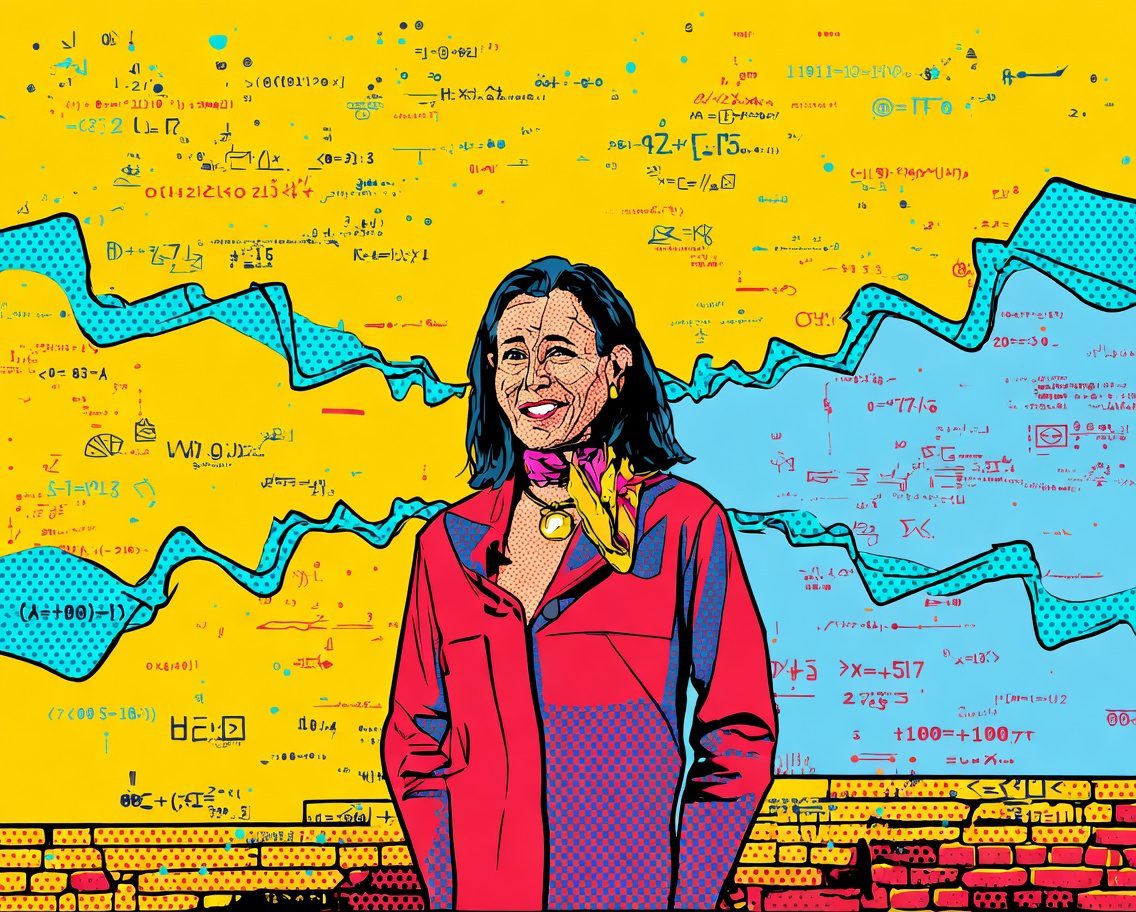
Ana Botín has always had the instinct to arrive five minutes before everyone else, even when the destination is an ambush. In 2023, she was the first major banker to say that the tokenization of finance was happening. It was the warning that Santander was mutating its DNA.
Ana Botín's plan
This March 2026, the bank she chairs has rolled out the red carpet for autonomous AI agents. It is a double masterstroke by the Cantabrian banker to ensure that, whoever is in charge of the code, Santander keeps collecting the toll. What Ana has orchestrated with Mastercard is a silver bridge to the past. It is not simply about an AI having a card; it is a re-engineering of trust.
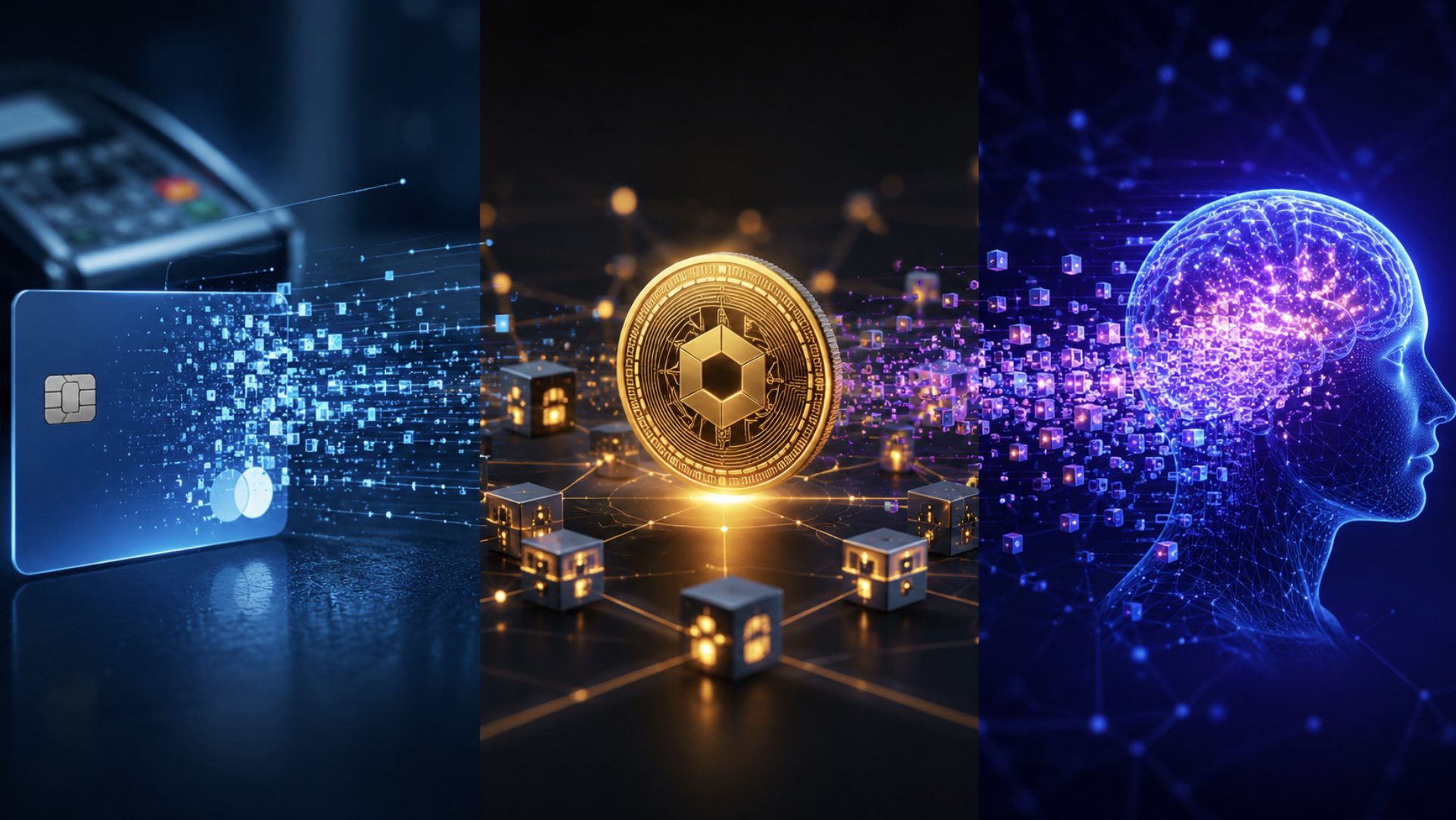
The bank allows the account holder, a company or an individual, to grant a spending license to a bot. Mastercard provides the global network and security, allowing the AI to pay for services, APIs or supplies at any merchant in the world without a human having to validate the transaction with an SMS or a PIN code. It is the end of the human click. Software now has legal permission to fill the shopping cart under Santander's security umbrella.
But Botín is too shrewd to mortgage her future to someone else's infrastructure. She also knows that traditional cards have an insurmountable glass ceiling: fees. That is why Santander is taking part, alongside giants such as BNP Paribas, Citi and Goldman Sachs, in a consortium aimed at launching a basket of regulated digital currencies linked to G7 currencies.
The war for AI agents: Silicon Valley versus the crypto industry
The market's dual structure
It is her plan A for the new era: internet-native money, programmable and with transaction costs close to zero. Botín has perfectly understood the market's dual structure. With Mastercard, she keeps control of everyday purchases and the physical world, but with her institutional stablecoin, she is preparing to colonize the machine economy, that vast digital ocean where millions of bots will pay each other fractions of a cent every second, with no human intermediaries.
Under Ana's command, Santander no longer manages only savings; it manages algorithmic flows. It is no longer about serving a family in a branch, but about governing the spending limits of a language model that has decided, in the early hours and on its own, to renew its company's servers.
Ana Botín has surrendered to progress so as not to be swept away by it. She knows that, in the machine economy, the last one to turn off the light will be a human, but the one paying the utility bill will, almost certainly, be an autonomous agent with an account at Santander.