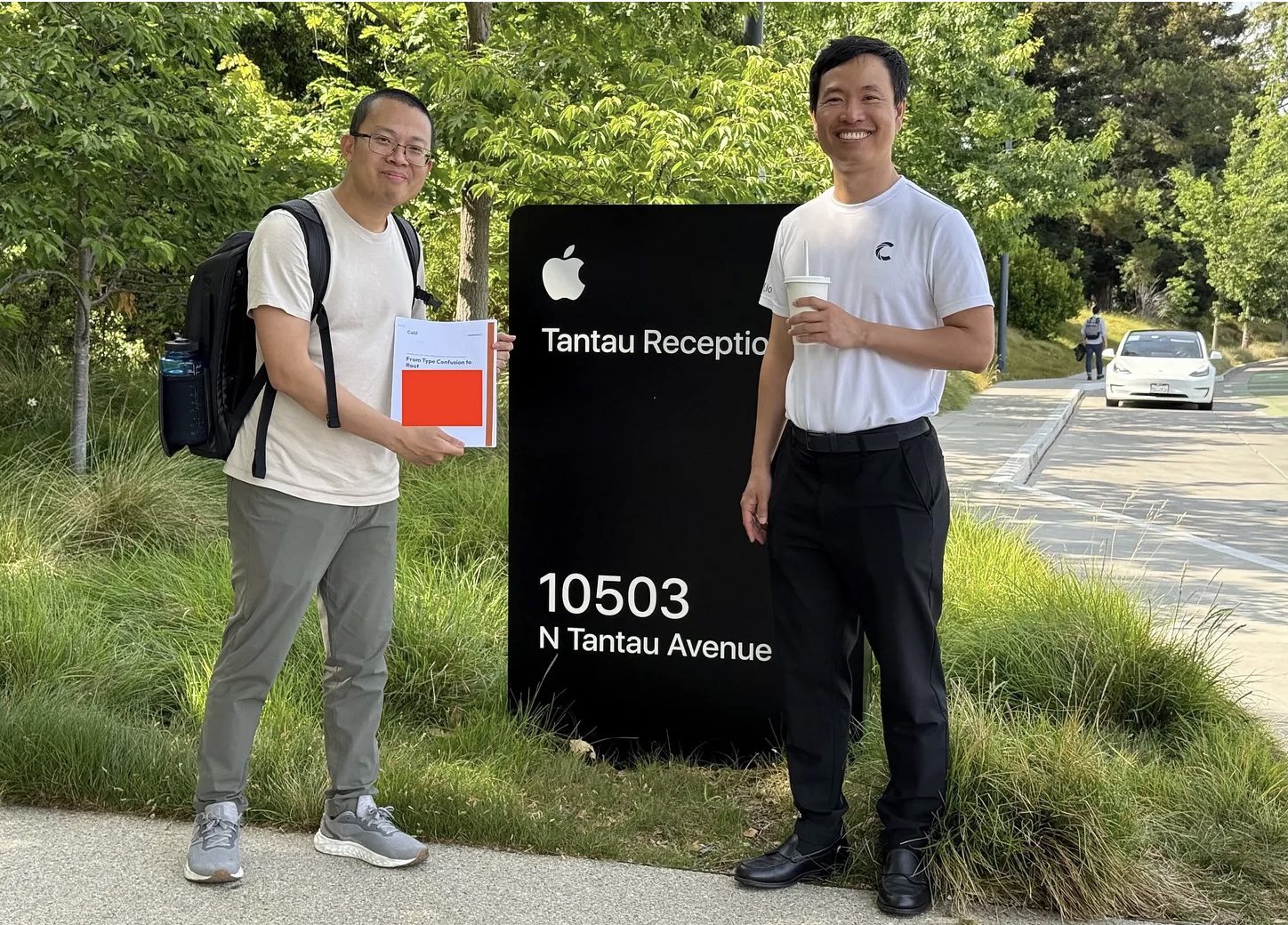
Researchers from the cybersecurity firm Calif have managed to develop the first public exploit capable of compromising macOS on Apple's new M5 chips using a restricted version of Claude Mythos, Anthropic's advanced artificial intelligence model.
The finding is a major blow to one of the most advanced security systems Apple has created to date. The exploit works even against Memory Integrity Enforcement (MIE), one of the main security protections built into the M5 chips to prevent memory corruption attacks.
With help from Claude Mythos
According to the cybersecurity firm Calif yesterday, the case shows just how far AI can accelerate the development of advanced cyberattacks. Apple had spent five years and reportedly invested billions of dollars developing Memory Integrity Enforcement (MIE), the protection system built into the M5 chips and designed to stop the most sophisticated memory corruption exploits.
However, Calif's researchers claim that, with help from Claude Mythos, they managed to break those defenses in a matter of days. The vulnerabilities were discovered on April 25 and, less than a week later, the team had already developed a fully working exploit capable of compromising Apple's new M5 chips even with the security protections enabled.
According to Calif, Claude Mythos Preview not only helped find the vulnerabilities but also assisted the researchers throughout the development of the exploit. The firm says the artificial intelligence model is especially effective when it learns to solve a specific class of problems, since it can then apply that knowledge to similar vulnerabilities in different systems.
Why Claude Mythos is a more real and urgent threat than quantum computing
Mythos quickly identified the bugs
The researchers detail that Mythos quickly identified the bugs because they belonged to categories of flaws already known in cybersecurity. However, getting past MIE, the new advanced protection developed by Apple, still required human intervention, since it is a recent technology specifically designed to make this type of attack harder.
For Calif, the experiment sought to test how far the combination of human experts and advanced AI models can go. "Achieving a kernel memory corruption vulnerability against today's best protections in barely a week is remarkable," the researchers say, considering this case a demonstration of the potential of this new generation of tools.
Calif says it will publish a full 55-page technical report once Apple finishes rolling out all the related security fixes. The researchers stress that MIE was never conceived as a system that could not be breached, but as a barrier to make attacks much harder and more costly. However, they warn that artificial intelligence is already accelerating the discovery of vulnerabilities at scale and that it was inevitable that some would end up being sophisticated enough to survive even advanced protections like those developed by Apple.
A world before Mythos
"Apple created MIE in a world before Mythos Preview," Calif states in its analysis. The company believes the technology industry is entering a new stage in which major cybersecurity defenses will have to face AI models capable of finding and developing exploits at unprecedented speeds.
Calif recounts that during the meeting held at Apple Park, Apple employees remarked that the company had spent about 5 billion dollars building its giant corporate headquarters. Calif replied jokingly that its own offices had cost considerably less than a billion.
Mythos, the Anthropic AI that has raised alarms over its destructive speed
The firm argues that artificial intelligence is shifting the balance of power in the technology industry. Small teams, supported by advanced AI models, can now develop capabilities that were previously only within reach of large corporations with enormous financial resources and thousands of engineers.
What is Claude Mythos
Claude Mythos is an experimental version of AI developed by Anthropic within the Glasswing project, an initiative in which companies such as Google, Microsoft and Amazon Web Services also participate. The model is not publicly available because it has advanced capabilities to detect software vulnerabilities and accelerate the development of exploits. According to various industry sources, Mythos has identified thousands of critical flaws in modern operating systems and browsers.