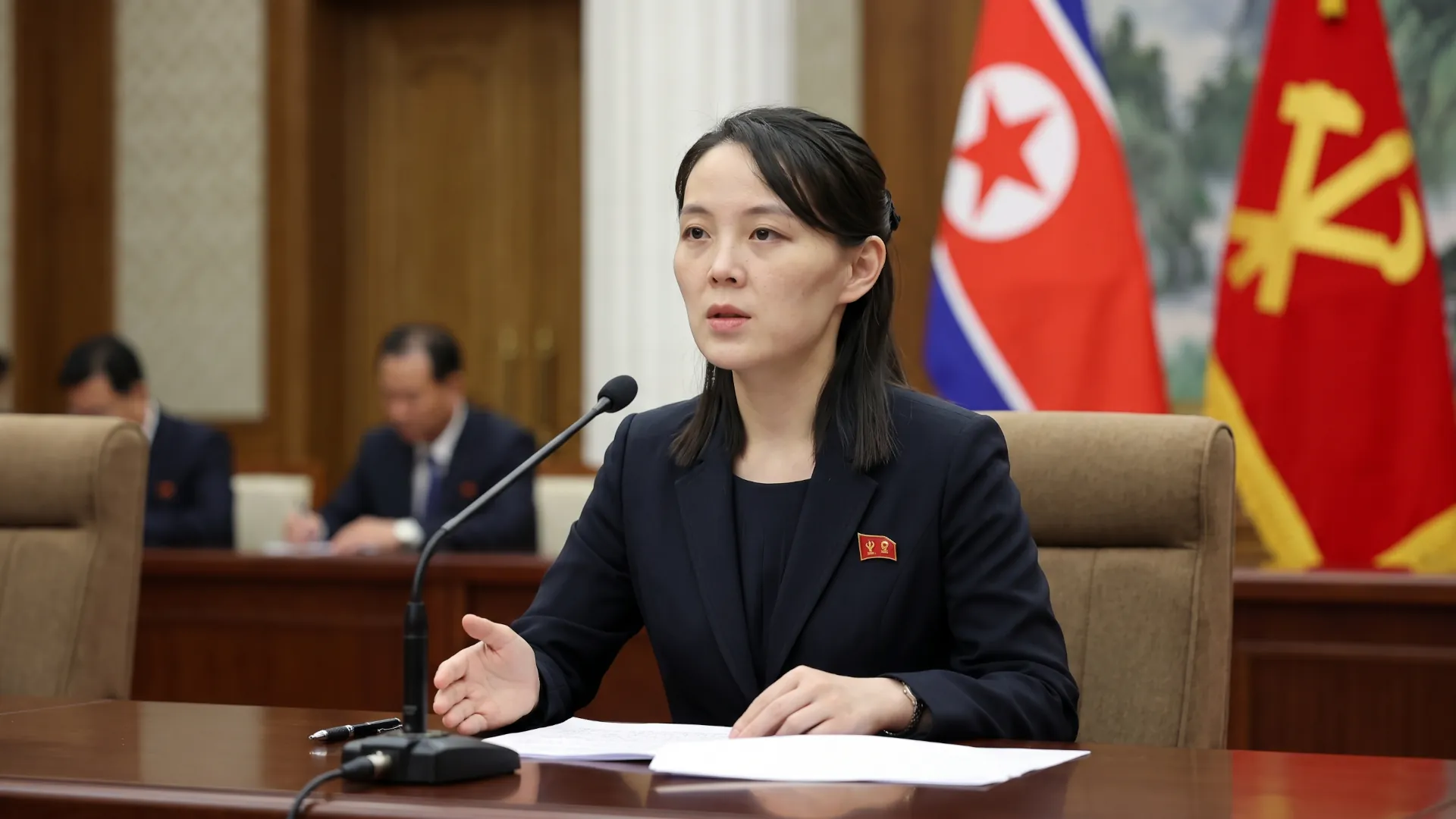
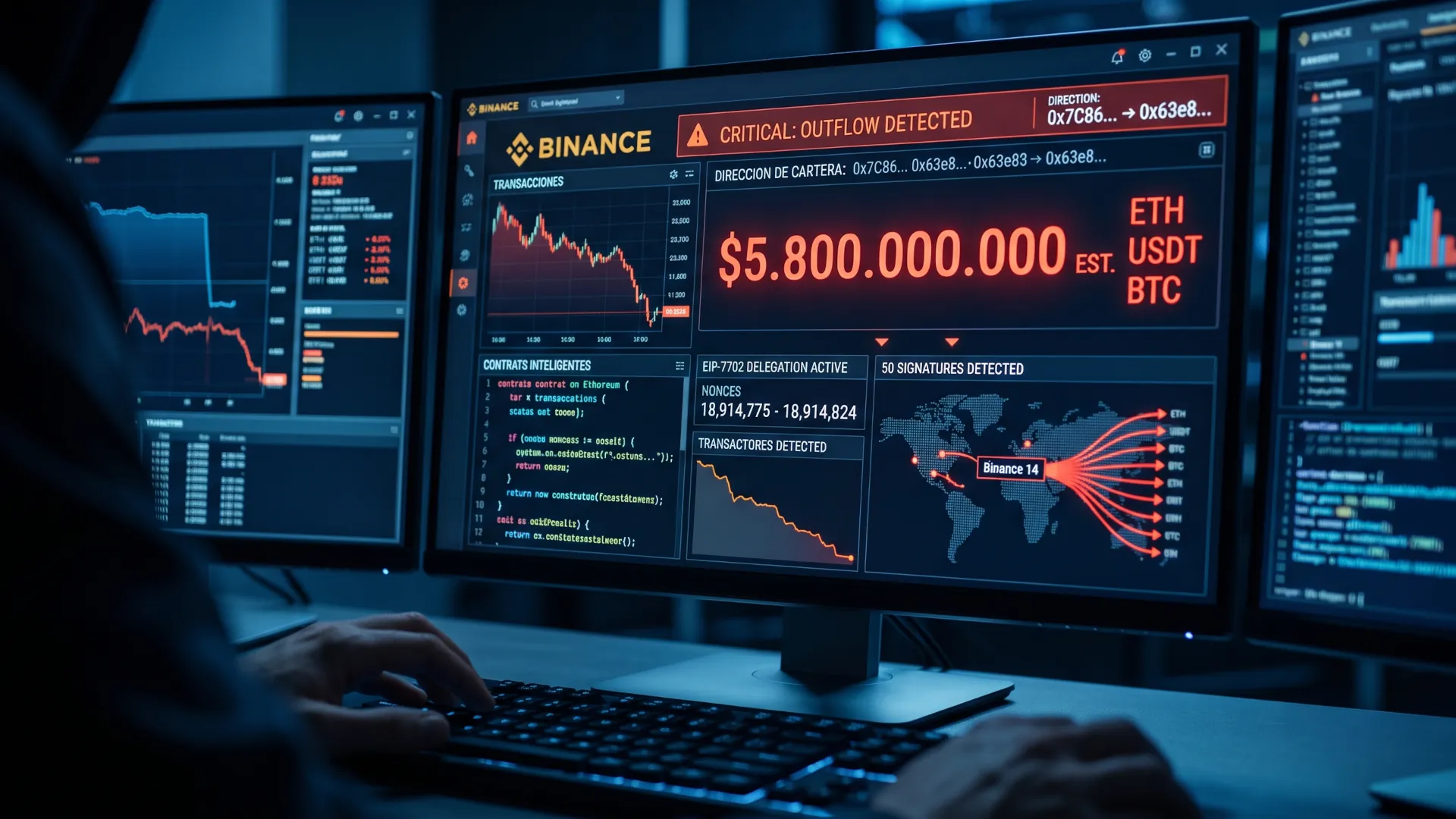
Kim Yo-jong, sister of the North Korean leader and one of the regime's most visible figures, denied that North Korea was behind the theft of $6.3 billion from Binance and called the US attribution a political provocation. It is the first time she has responded in person to a cybercrime accusation, and she did so in two statements distributed over three days by the state agency KCNA.
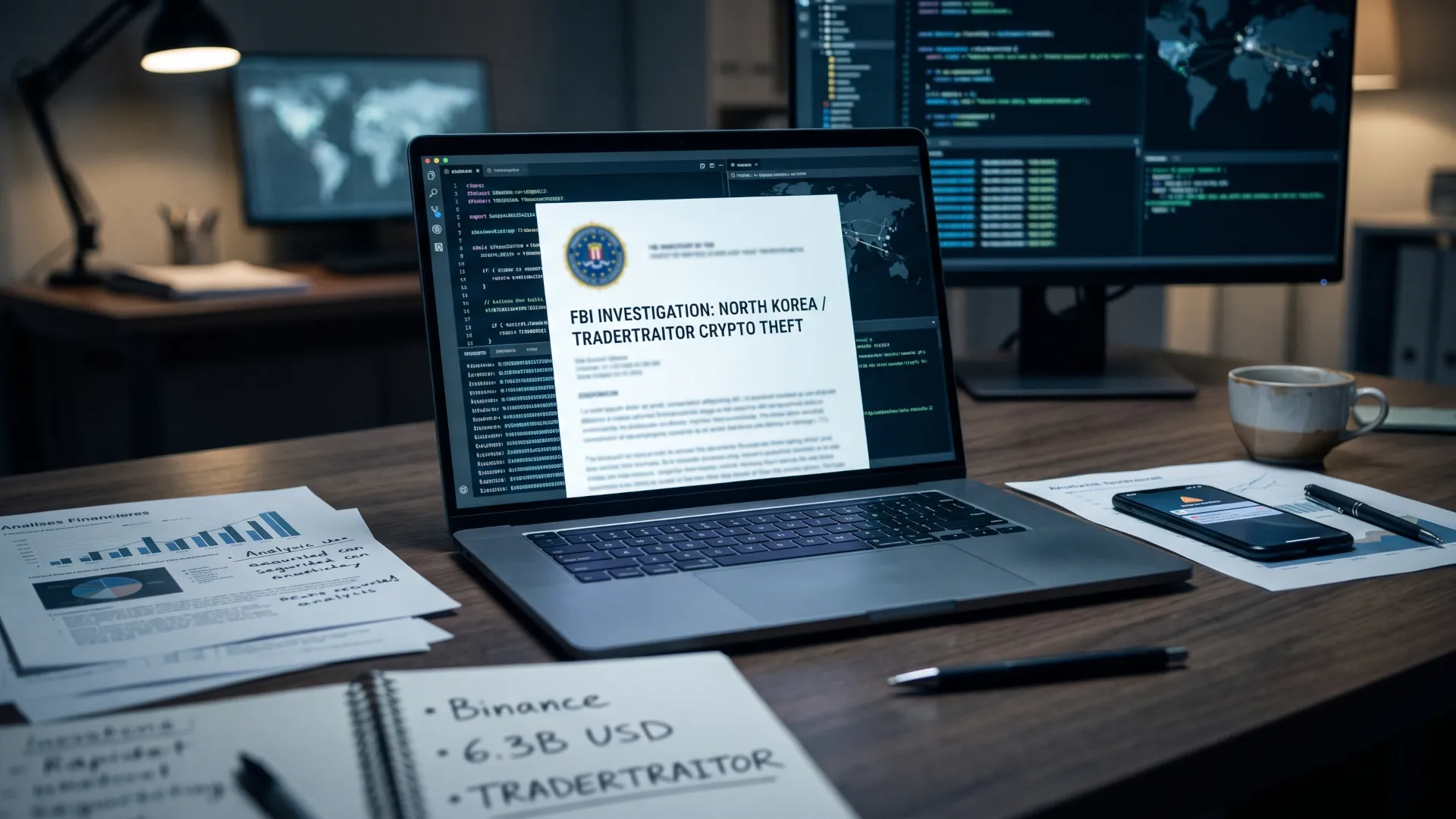
The response came after the FBI attributed the attack to the TraderTraitor group, also known as Lazarus, in a statement on October 31. The US agency maintains that the theft exceeds $6 billion and that part of the assets is being converted to Ethereum to make them harder to trace.
What is interesting is not the denial, which Pyongyang has repeated for years in the face of every accusation. What is interesting is the tone. Kim did not threaten retaliation, she left open the possibility of dialogue with Washington and devoted much of the second statement to an argument no one expected: that the United States announced it would confiscate stolen cryptoassets to use them as a strategic state reserve, a twist no one expected in a statement about a theft.
A striking statement
The text describes the attribution as a grave political provocation and maintains that Washington is deceiving international public opinion by presenting any cybercrime in the world as North Korean work. Kim adds that it is an attempt to damage the country's image and to violate its sovereignty in the digital space, according to the version published by The Korea Herald.
What the statement does not do is offer an alternative explanation. It does not say where the TraderTraitor group was on the day of the theft, it provides no logs and it does not respond to the technical indicators the industry has published since October 30. The denial is political, not forensic, and on that terrain it is as difficult to refute as to prove.
Nor is there a general denial of the use of cyberattacks for economic ends. The text maintains that the country opposes malicious acts in cyberspace, a formula Pyongyang has used for a decade and which has never been accompanied by an independent investigation.
The timeline of an uncomfortable attribution
The case's calendar is short and well documented. Binance confirmed the theft on Friday, October 30, the FBI attributed the operation to TraderTraitor on Sunday, November 1, and Kim published her first response on Monday, with the second on Wednesday. In less than a week, the largest theft in the history of cryptocurrencies went from being a security incident to a matter of foreign policy.
That pace is unusual. In the 2025 Bybit theft, valued at $1.5 billion and also attributed to the same group, the North Korean public response took weeks and did not have this profile. The difference now is the scale and the timing: the theft occurs two days before legislative elections in the United States and in the middle of the debate over the strategic cryptoasset reserve.
The pace of the responses is itself a data point: the first came within 48 hours and the second two days later, with no press question or independent investigation to justify them.
The coincidence with the electoral calendar is not proof of anything, but it explains why the case has become politicized so quickly. A theft of this magnitude in the week of the midterms stops being an exchange problem and becomes an argument in the foreign policy debate.
Why does it matter that she speaks?
Kim Yo-jong is not just any spokesperson. She is director of a department of the Central Committee of the Workers' Party and one of the few people whose name appears in statements the regime wants read as high-level messages. That she signs a response about a hack indicates that Pyongyang considers the matter serious enough to deploy someone with standing of her own.
The analysts cited by the South Korean press read that gesture as a sign that something is at stake. If the regime wanted to ignore the accusation, an anonymous statement from a state agency would suffice; if it wants to send a message to Washington without breaking off negotiations, it needs a figure who can speak and later walk it back at no formal cost.
The content reinforces that reading. Kim devotes the first half of the text to the accusation and the second to the United States' hostile policy, and closes without the usual warning of retaliation. That silence is the detail most cited by those who see room for contact between the two capitals in the context of the Asia-Pacific summit.
The strategic reserve twist
The most original argument in the second statement is the one linking the theft to the White House's digital asset policy. Kim recalls that the current administration announced it would confiscate stolen cryptoassets and use them as a strategic state reserve, and presents that decision as proof that Washington acts out of self-interest and not out of justice.
The accusation has a real basis and a logical leap. It is true that the idea of a strategic bitcoin reserve has been on the US political agenda and that the confiscation of illicit assets is standard practice for the authorities. From there to suggesting that the attribution of the theft responds to an interest in keeping the funds there is a distance the statement does not cover with evidence.
Even so, the twist is effective as a message. It places the United States on the terrain of convenience rather than law, which is where the regime wants to place any discussion of sanctions and frozen assets. It is propaganda, and it is well constructed.
What remains open at Binance
While the political discussion advances, the exchange's numbers remain the thermometer of the damage. Binance reported that customers had withdrawn a net $4.72 billion since operations resumed on Sunday, a figure the company describes as a limited portion of its $157 billion in total assets.
Coverage of the theft is also advancing. Binance has said it obtained assets to cover around 95% of the stolen coins, which in practice means customers will recover their balance even as the exchange absorbs a significant loss. The investigation into the trail of the loot and the work of the analytics firms remain the only route to recovering what left the platform.
That effort depends on the chains allowing the money to be followed, and that is where the debate the case has reopened comes in. When a decentralized protocol halts, the trail goes cold and the investigation becomes more complicated; when it does not halt, the funds circulate. The THORChain pause that delayed the laundering is the most recent example of that tension.
A North Korean denial
North Korea has denied every cybercrime accusation of the past decade and has been implicated in most of the major exchange thefts since 2017. Treating every denial as proof of guilt is as bad as treating it as exculpation; what an analyst does is look at the technical indicators, the path of the money and the regime's behavior after the statement.
In this case, the behavior is the message. A personal response, two statements in three days, no threat of retaliation and an argument aimed at US public opinion sketch a regime that wants to defuse the accusation without closing the door to anything. If that reading is correct, the next move will not be technical but diplomatic.
For the sector, the practical consequence is uncomfortable. The largest theft in its history is no longer discussed only in terms of exchange security, but on the terrain where evidence matters less than narrative. The credibility of an industry that depends on money being traceable is at stake on that terrain, and there is no patch to install there.