A breach at Gnosis Pay exposes data of its cardholders
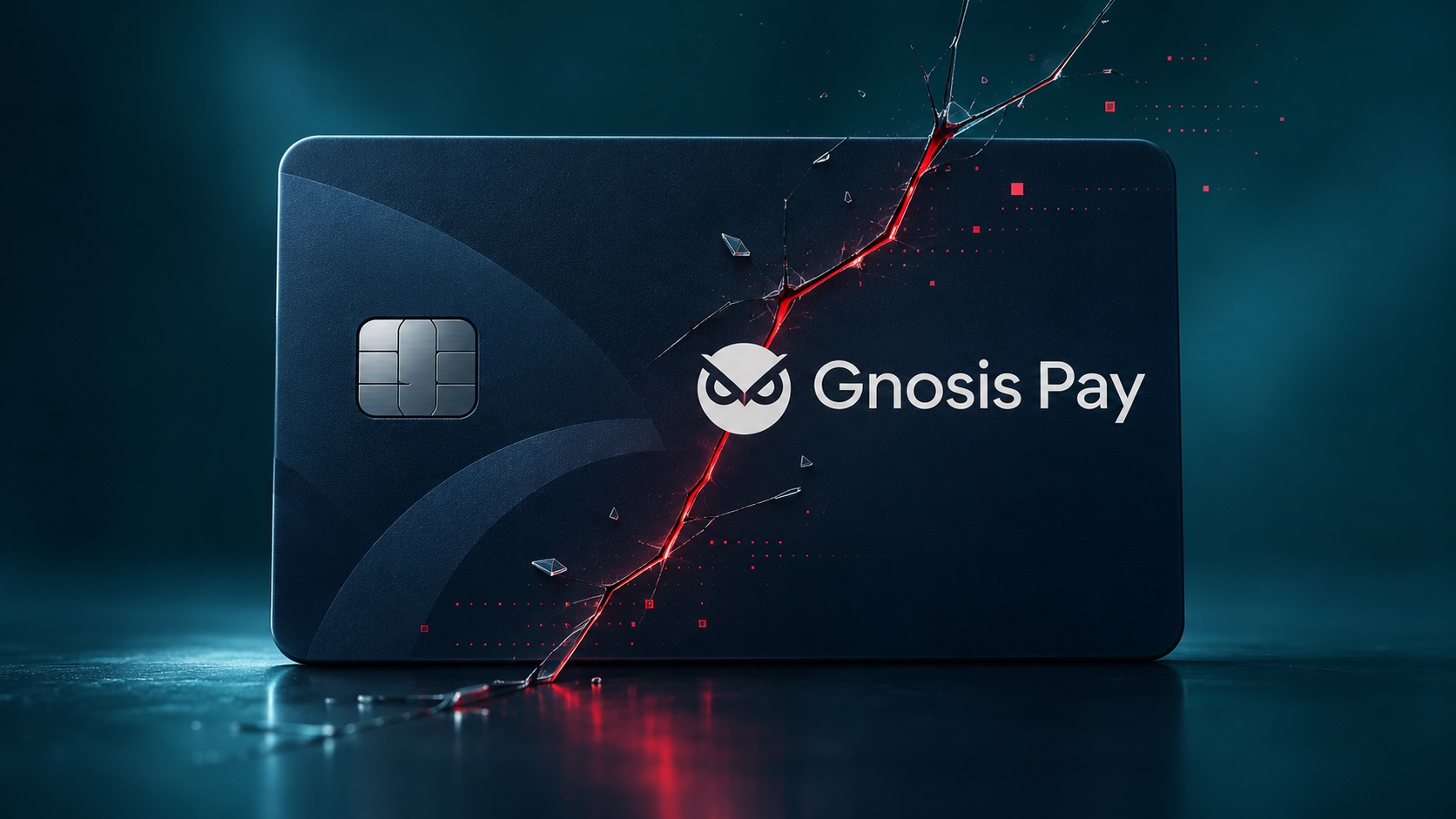
Gnosis Pay has confirmed a customer data leak after detecting unauthorized access on November 3 to the system that manages its own-brand cards. The company says user funds remained safe and that the incident was limited to its retail service. The card programs it operates for other companies through its white-label platform were not affected by the incident.
The company made public the incident yesterday, November 6, the same day on which, it says, it sent each affected customer an email with the data extracted from their account. The statement does not give a figure for the number of those affected or detail what information was obtained. Gnosis Pay says it began containing the intrusion within two hours of detecting it and later replaced the compromised credentials and fixed the vulnerability. It also informed its partners and is in contact with data protection authorities and with the card issuer.
Additional verification for online purchases
Gnosis Pay has made the use of 3D Secure mandatory, an additional step to verify card payments over the internet. It has also strengthened monitoring of card transactions and digital wallets to detect possible fraud or attempts to access funds. The measures will remain in place until December 20, a date the company had already set in September to withdraw its own-brand cards. From that day, its web app will only allow funds to be withdrawn.
The company warns that impersonation attempts may include correct personal data or references to real purchases. It therefore recommends opening the official app or that of the associated provider directly if an unexpected notice about the card is received. Gnosis Pay recalls that it never asks customers by email, SMS or phone to transfer funds and that it does not ask them to share the seed phrase, private keys, PIN or full card number.
Covadonga Fernández is founder and director of the newspaper Observatorio Blockchain. She has worked with various companies developing crypto/blockchain projects, such as Singular DTV, a Switzerland-based platform and a pioneer in decentralizing the film industry, which led her to take part in the 2019 San Sebastián Film Festival. That same year she also took part in the Bern International Film Innovation Festival (Switzerland), with a presentation on linguistic plurality in blockchain. In 2022 she took part in the Acción Cultural Española edition with an article on Metaverse and Culture. In 2017 she wrote the chapter on Blockchain and Journalism in the book: «Blockchain: The Industrial Revolution of the Internet», published by Grupo Planeta. A year earlier, in 2016, she created the first Meetup on Blockchain and Journalism. That same year she also created the Blockchain Media site, to track the decentralization process of the cultural and creative industries. In 2020 she co-organized an event on how blockchain could help the cultural and creative industries, where the money received from sponsors was tokenized and speakers received payment in NFT format. Before founding Blockchain Media and Observatorio Blockchain, Covadonga worked at Grupo Z and the newspaper ABC; she was communications director of the Madrid Chamber of Commerce, a journalism professor at Universidad Carlos III de Madrid and chair of Telemadrid. Winner in the Outreach category at the 2024 Financial Innovation Awards and honored by Alastria at the 2025 Blockchain Awards