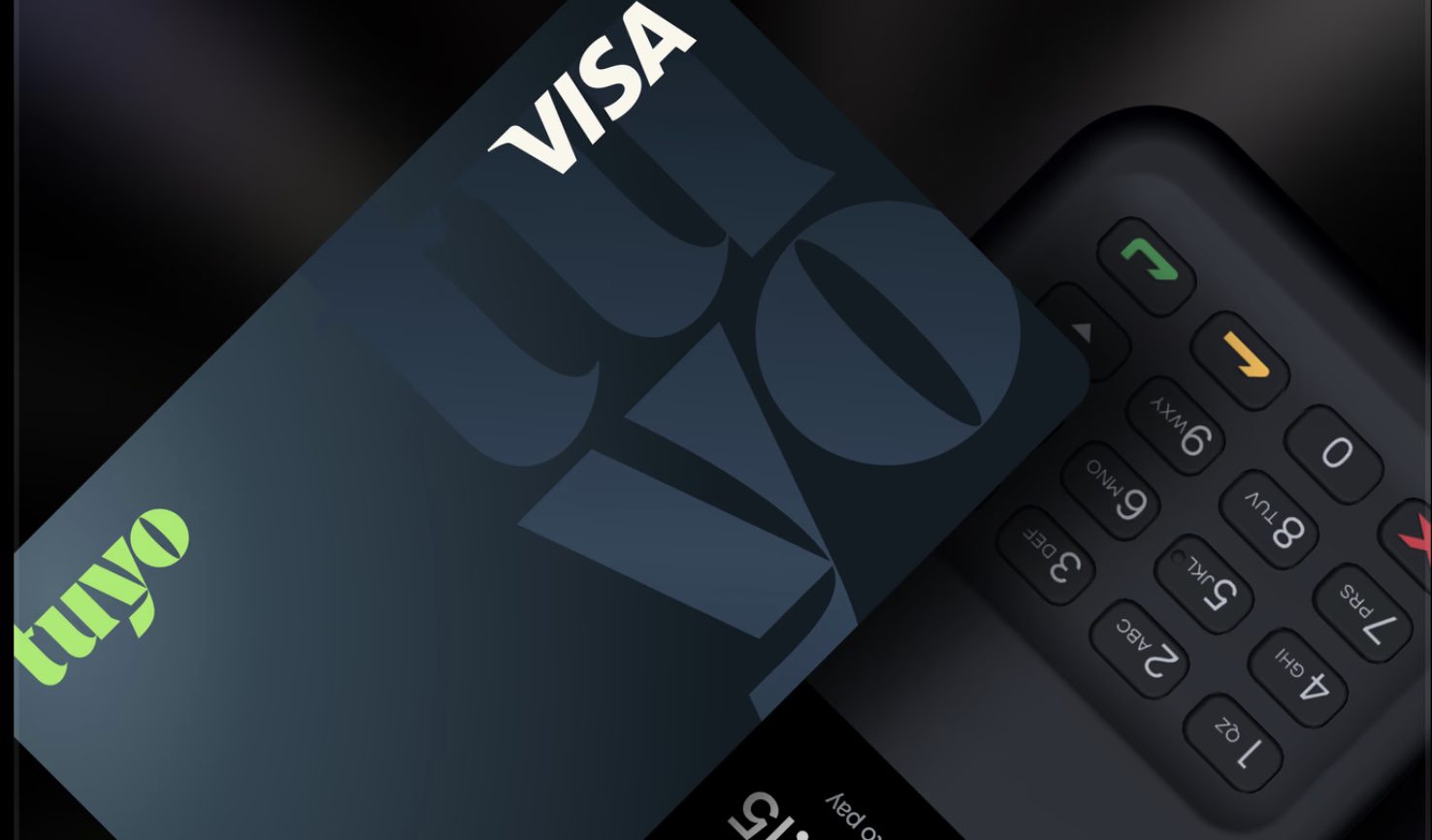
The fintech Tuyo, founded by two Spaniards, has launched a new feature for its Visa card with which some purchases can end up free. Under the name "Buy Now, Pay Maybe", the company introduces a system in which certain transactions are processed directly at zero cost to the user.
Some transactions simply are not charged
Unlike classic cashback or points programs, the mechanism does not return money afterwards or require accumulating rewards. According to the company, some transactions simply are not charged. A coffee, the grocery shop or a meal can end up costing the customer a final zero dollars.
This is Tuyo, the Spanish app for paying and saving with stablecoins from your phone
The proposal comes at a time when fintechs are trying to differentiate themselves in a market saturated with neobanks and financial applications aimed especially at Generation Z. Tuyo argues that a large part of young users feels no loyalty towards traditional financial institutions and considers current rewards models insufficient.
"Cards are designed to maximize the value they extract from the customer by offering the minimum viable reward," the company says in its presentation. Against this, Tuyo claims to have designed a product focused on the moment when the user discovers that an everyday purchase has cost them nothing.
No staking, tiers or fees
One of the elements that the startup highlights is that the system does not require staking, fund locks, premium memberships or minimum balances. All users access the same conditions from day one. The company gives the example of a student who could pay zero dollars on their first purchase of a three-dollar energy drink without needing to reach any loyalty tier.
Tuyo says its infrastructure is built on decentralized, self-custodial technology. According to the company, users keep control of their funds at all times and the platform does not hold the money in custody. Despite this, the company tries to hide the technical complexity of blockchain from the end user. The application avoids crypto terminology, seed phrases or advanced setup processes. Users in the United States can fund the account through Apple Pay or Google Pay and use the card at any merchant that accepts Visa.
Spanish founders
The startup was founded by the Spaniards Jorge Izquierdo and Alejandro Perezpayá. Izquierdo is known for having co-founded Aragon, one of the historic projects linked to decentralized governance on Ethereum, while Perezpayá developed part of his career at Allfunds, one of the largest fund distribution platforms in the world.
Tuyo's goal is to position itself as a hybrid alternative between digital banking and decentralized finance, although avoiding presenting the product with the usual complexity of the crypto sector. The launch of Buy Now, Pay Maybe also reflects a shift in the strategy of fintechs targeting young consumers. Instead of focusing solely on interest rates, percentage rewards or loyalty programs, Tuyo bets on introducing elements of surprise and virality into the payment experience.
"When was the last time your bank made you smile?", the company asks in its launch campaign, built around the idea of transforming an everyday financial transaction into a positive emotional experience. The model also raises questions about its economic sustainability and about how the company will finance these free purchases in the long term, an aspect the startup has not yet detailed.