David Sacks, who until yesterday held the post of head of Artificial Intelligence and cryptocurrencies at the White House, will move to co-chair the President's Council of Advisors on Science and Technology (PCAST), alongside Michael Kratsios, director of the Office of Science and Technology Policy.
The appointment is part of President Donald Trump's decision to reactivate this advisory council, which brings together top-level leaders to strengthen the United States' technological leadership.
Influence over technology strategy
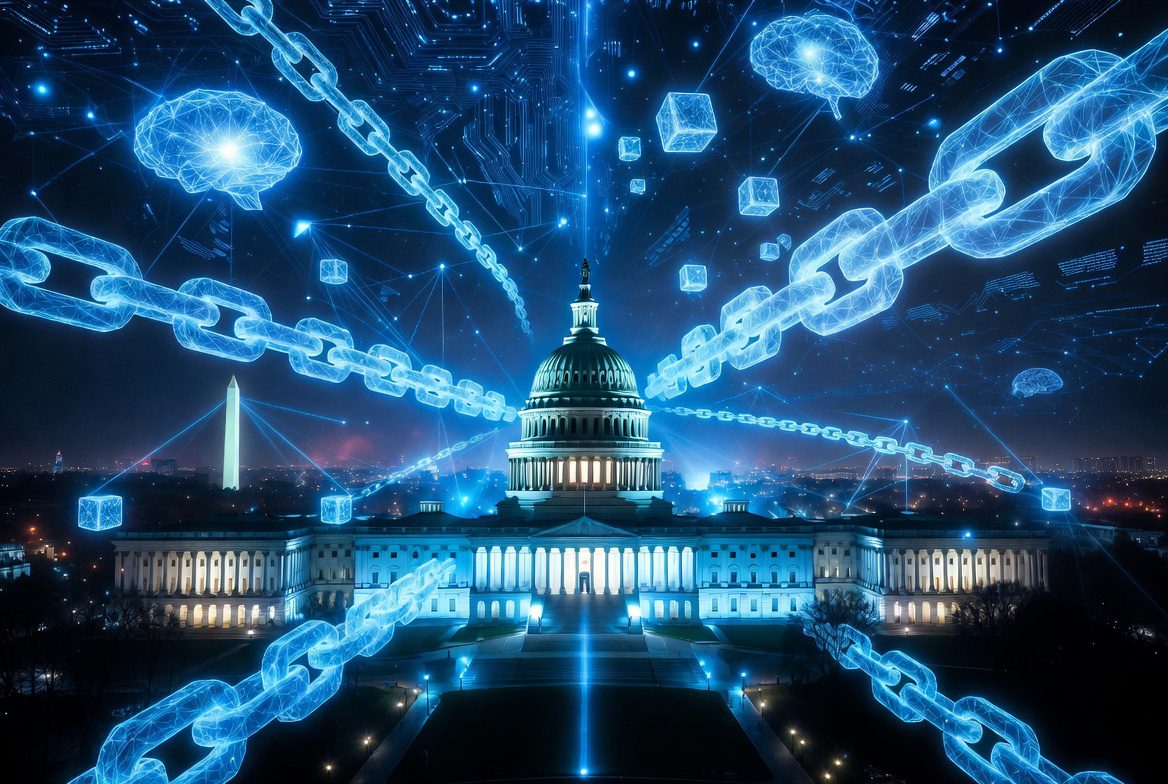
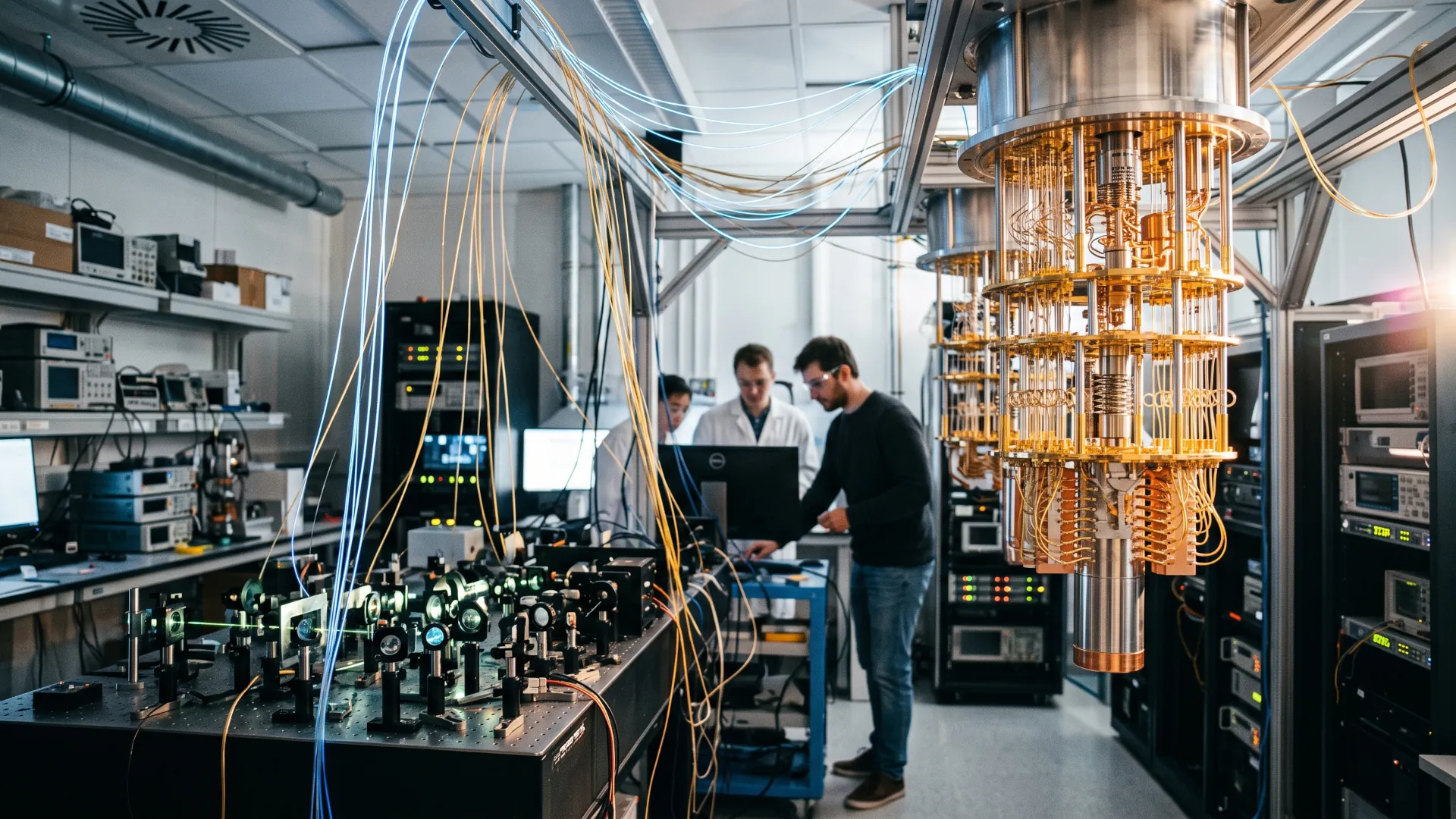
In an interview with Bloomberg Television, Sacks suggested he will continue to wield influence over the Government's technology strategy. From PCAST he will be able to issue recommendations on artificial intelligence, semiconductors, advanced energy, cryptocurrencies or tokenization.
The council, currently made up of 13 members out of a maximum of 24, includes some of the most influential figures in the technology and science sector. Among them are Marc Andreessen, Sergey Brin, Safra Catz, Michael Dell, Jacob DeWitte, Fred Ehrsam, Larry Ellison, David Friedberg, Jensen Huang, John Martinis, Bob Mumgaard, Lisa Su and Mark Zuckerberg.
AI and cryptocurrencies at the center
The composition of PCAST reflects a strong presence of leaders in artificial intelligence, technology infrastructure and digital assets, which reinforces its role as a key body for advising on technology policy without the constraints of temporary posts within the administration.
Under Trump's chairmanship, the council will focus on addressing the challenges and opportunities of emerging technologies, as well as boosting the United States' competitiveness in what the administration has called the "Golden Age of Innovation."
Sacks has indicated that he will continue to back the artificial intelligence policy framework recently pushed by the White House and that his new role will allow him to influence broader decisions. In practice, his departure as czar amounts more to a formal change than a substantive one.