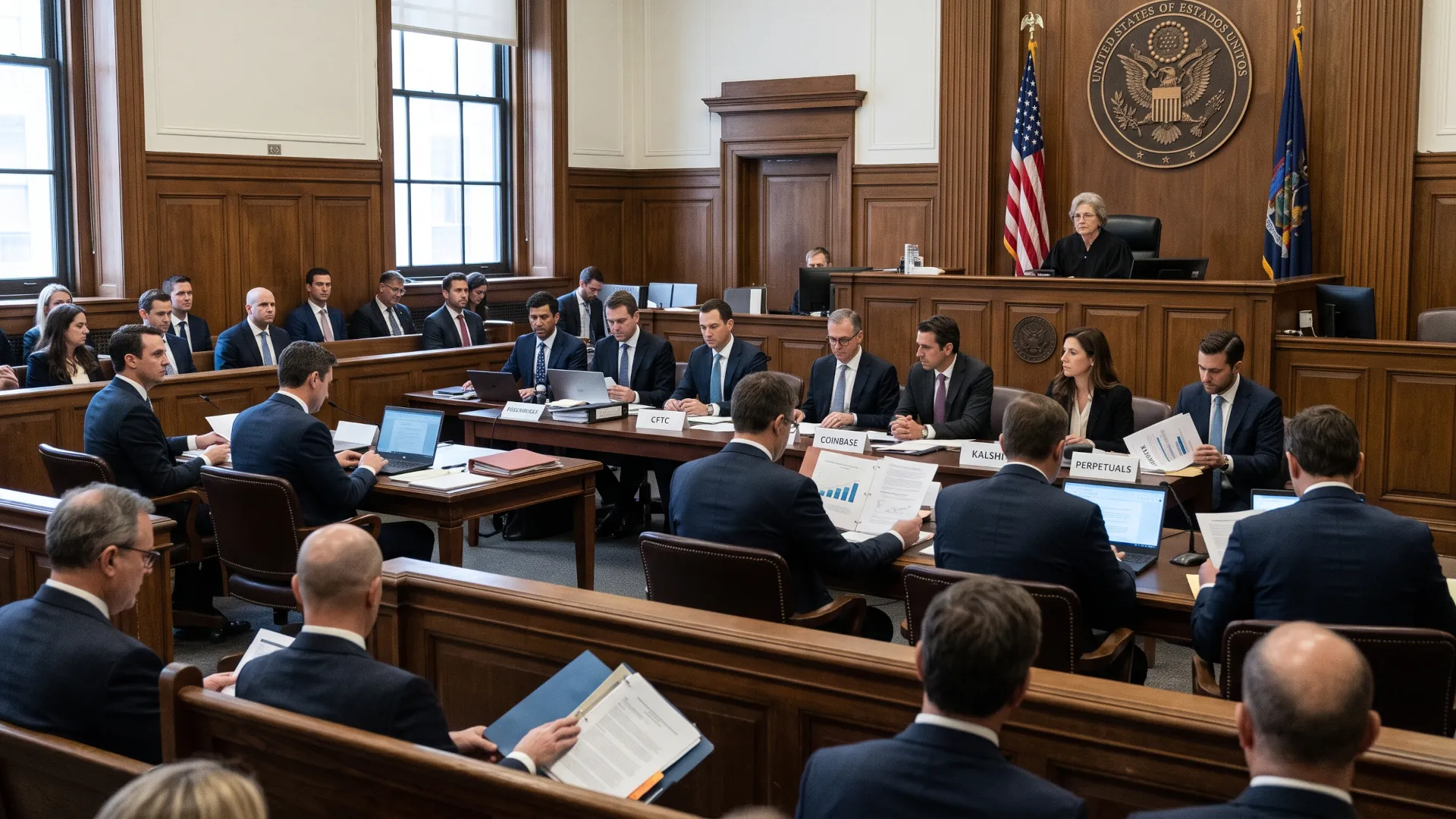
The U.S. Senate Committee on Banking, Housing, and Urban Affairs approved this Thursday the Digital Asset Market Clarity Act (CLARITY Act), a bill considered historic by the crypto industry because it establishes, for the first time, a specific federal regulatory framework for digital assets in the country.
The initiative advanced with a bipartisan vote of 15 in favor and 9 against. Democratic senators Ruben Gallego and Angela Alsobrooks joined the Republican bloc to support the text, despite strong opposition led by Elizabeth Warren and other Democratic lawmakers, who had introduced more than a hundred amendments.
With the Clarity Act, Satoshi Nakamoto's technology enters Wall Street
The committee chairman, Tim Scott, celebrates the approval as a triumph for regulatory clarity, consumer protection and responsible innovation. According to the Republican senator, the law does not take sides between traditional finance and the new technology, but rather defends ordinary Americans.
A new framework for the crypto market
The CLARITY Act seeks to end years of legal uncertainty surrounding the cryptocurrency sector in the United States, defining which federal agencies will oversee each type of digital asset and under what conditions companies, exchanges and blockchain projects may operate.
What changes with Clarity, the new U.S. crypto law
Among the most relevant aspects of the bill are:
- Clear division of regulatory responsibilities: digital assets will be classified as commodities or securities depending on their degree of decentralization. Oversight will fall to the CFTC or the SEC depending on each case. Bitcoin and a good part of decentralized tokens would be outside the SEC's stricter control.
- Protection for DeFi and developers: the text includes exemptions for open source software developers, non-custodial wallets and decentralized protocols that do not maintain control over user funds.
- Specific regulation for stablecoins: the initiative incorporates a regulatory framework for stablecoins, including limits on paying interest for merely holding these assets.
- Strengthening against illicit activities: the law toughens obligations related to preventing money laundering and illicit financing, although it avoids criminalizing blockchain technology development.
- Restrictions on CBDCs: the bill prohibits the Federal Reserve from directly issuing a digital currency for U.S. citizens.
- Custody and innovation: new rules are established for institutional custody, disclosure requirements and a sandbox -type regulatory environment for emerging projects.
Next legislative steps
The CLARITY Act had already been previously approved by the House of Representatives in 2025. It must now be reconciled with the version promoted by the Senate Agriculture Committee before being submitted to a vote in the full upper chamber, where it will need at least 60 votes to advance.
If it passes that stage, the text would go to a legislative reconciliation process with the House of Representatives before reaching Donald Trump 's desk for his final signature.
The crypto sector's reaction was immediate. At the time of publication of this information, Bitcoin is trading at 81,894 dollars, with a daily gain of close to 0.7%, while Ethereum is moving around 2,314 dollars, rising approximately 0.8%.