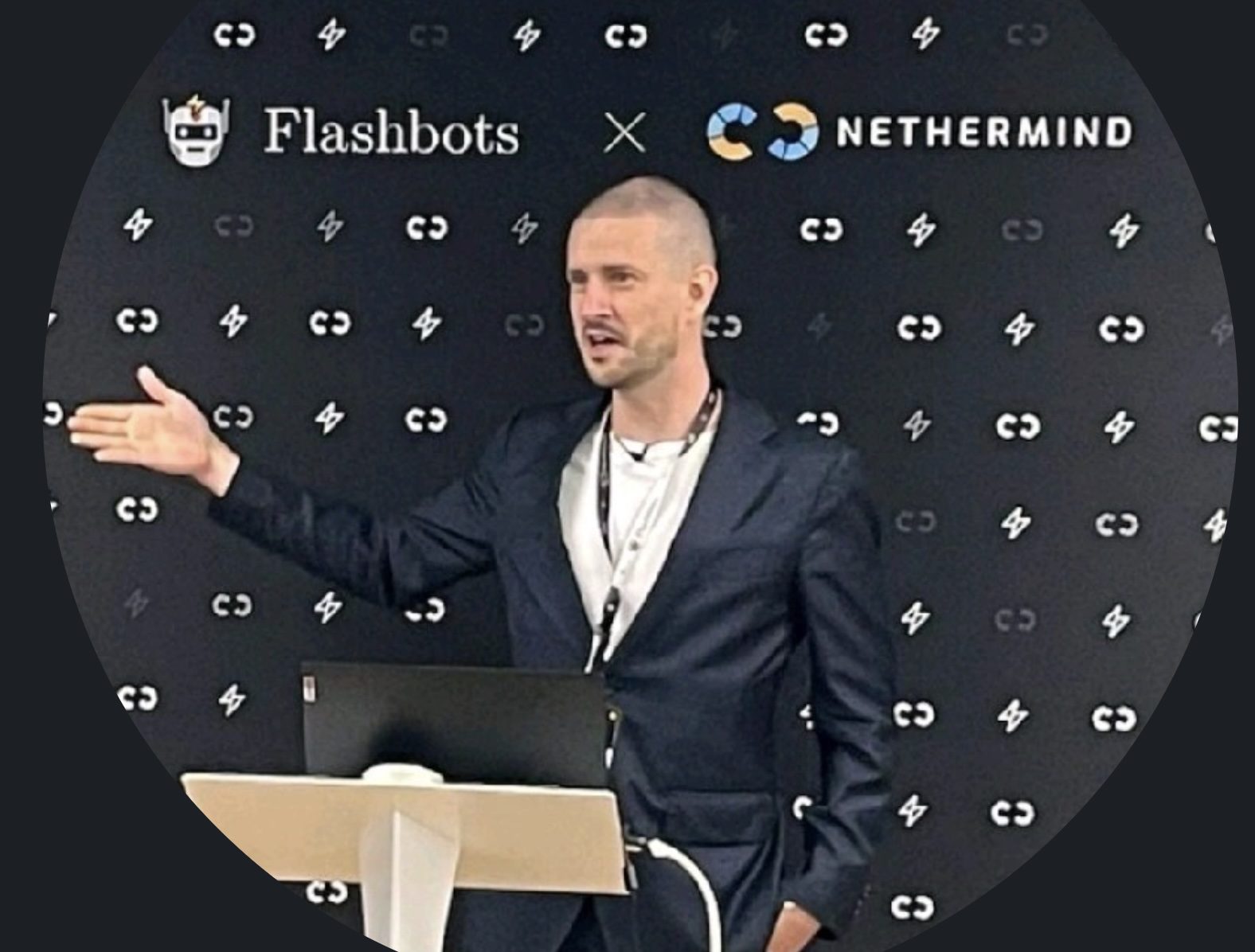
The Ethereum Foundation enters a new stage after the year of transformation led by Tomasz Stańczak, a period that many describe as the moment the organization stopped operating like an academic laboratory and began behaving like a coordinated technology execution structure.
Stańczak's tenure at the helm did not redefine the technical direction of the protocol, but it did change the way the Foundation makes decisions, coordinates teams and engages with the institutional environment. As a result, a year later the organization is more agile, with faster internal processes and a clearer direction for developers, companies and regulators.
The Nethermind injection
Stańczak's main legacy was bringing Nethermind's execution culture into the Foundation, the engineering firm he founded in 2017. This translated into shorter decision cycles, greater coordination with external teams and a less fragmented structure for implementing protocol upgrades.
Ethereum's plan to make AI the best client of human creators
During this period, Ethereum strengthened interoperability between layer-2 solutions, consolidated its role as infrastructure for stablecoins and tokenized assets, and pushed the narrative of an Ethereum built to lay the foundation for an economy for AI agents. More than isolated innovations, the change consisted of accelerating what the ecosystem was already building.
Ethereum Foundation Stańczak
With the Stańczak stage closed, the Foundation is now under the shared leadership of Hsiao-Wei Wang and Bastian Aue. Wang represents the protocol's technical continuity and institutional memory, while Aue takes on the role of institutional coordinator that emerged over the past year.
The challenge for this new dual leadership will be to show that the speed achieved did not depend on a single person, but on an organizational culture that has already been internalized. The LEAN Ethereum roadmap and the practical integration of tools for decentralized AI agents will be the first tests of that continuity.
A more institutional Ethereum
One of the most visible effects over the past year has been Ethereum's positioning as a reference infrastructure for financial tokenization and stablecoins. The network not only maintained its technical leadership but also reinforced its credibility with institutions seeking a neutral layer to operate in digital markets.
At the same time, the Foundation appears to have accepted that its role is to coordinate innovation, not centralize it. Over the past year, the organization has established more defined processes for interacting with an increasingly large and complex ecosystem.
The challenge, as we said above, is now cultural. This year of organizational acceleration has shown that greater agility is possible, but it remains to be seen whether that dynamic holds over time. The Foundation enters 2026 with a more modern structure, a clear roadmap and an ecosystem that no longer sees it only as the guardian of the protocol, but as the coordinator of an infrastructure that aims to be the foundation of the tokenized economy and decentralized artificial intelligence.