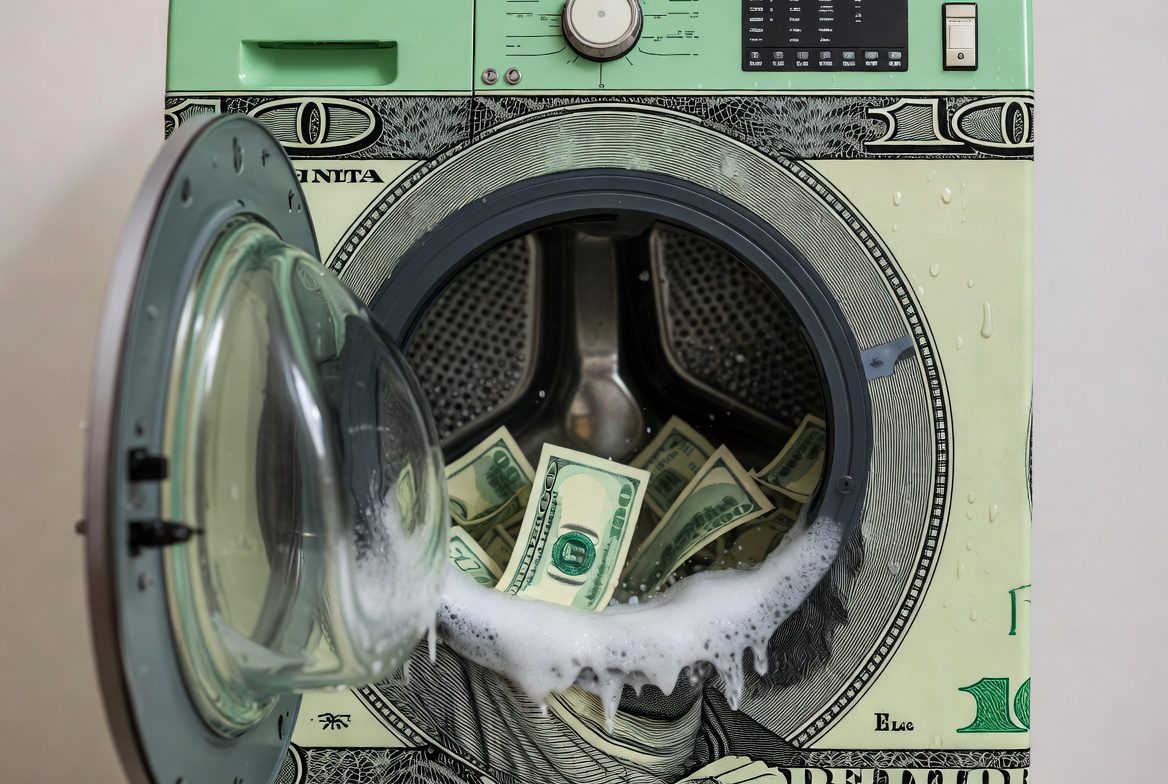
Money laundering in Latin America is no longer limited to briefcases of cash or opaque corporate structures; it now also flows through digital wallets, exchanges and P2P platforms. GAFILAT's 2025 Regional Typologies Report, based on the analysis of 53 real cases, describes how criminal organizations combine traditional methods with crypto infrastructure to move value faster and with less visibility.
Financial mules
The document focuses on an increasingly relevant and worrying figure: so-called financial mules, the money-world equivalent of drug trafficking mules. These are vulnerable individuals, relatives or associates recruited to open accounts, register companies or transfer funds without knowing their illicit origin. Their role allows criminal networks to fragment operations, dilute responsibilities and keep the ultimate beneficiary off the radar of anti-money laundering controls, both in the banking system and in the virtual asset ecosystem.
Panic on Wall Street: Anthropic's AI knocks out IBM and leaves $40 billion in the air
The cases analyzed also show that the combined use of wallets, platforms and providers located in different jurisdictions creates a loss of traceability and functional anonymity. In one of the examples collected, investigators detected transfers from a provider with a negative record and addresses previously sanctioned for financial crimes.
The banking system, the main target
The sectoral analysis reveals that the banking system remains the most exploited channel for moving illicit funds, followed by notary services, real estate and the automotive sector. As for financial products, bank accounts, cash, international transfers and the purchase of real estate predominate, in line with the trends already identified in the 2023 regional report.
Cryptocurrencies and stablecoins gain prominence
The report highlights that virtual assets have consolidated as an emerging tool within laundering schemes. The operations identified involved general-use cryptocurrencies and dollar-pegged stablecoins, used through digital wallets, exchanges and virtual asset service providers.
Among the most frequent techniques are the conversion of cash into cryptoassets through P2P platforms, the use of multiple wallets controlled by beneficiaries or straw men, the fragmentation of transactions to avoid automated alerts and successive movements between jurisdictions in order to hinder traceability. The funds were subsequently converted back into fiat currency and presented as legitimate income.
DeFi and unregulated fintech, risk hotspots
GAFILAT identifies two especially critical scenarios in the use of cryptoassets. On the one hand, decentralized finance (DeFi) platforms, where the absence of intermediaries complicates the application of AML/CFT controls. On the other, fintechs operating without specific regulatory frameworks. In both cases, digital infrastructure facilitates the cross-border mobility of value and deepens the disconnect between the origin and final destination of funds.
Convergence with traditional crimes
The report concludes that virtual assets are mainly used to move or transform resources from crimes such as drug trafficking, extortion, computer fraud, smuggling and migrant trafficking. Illicit proceeds end up invested in luxury goods, real estate or legitimate businesses in sectors such as retail and tourism, where they are mixed with legal capital.
During the 2023-2024 period, criminal organizations maintained traditional strategies —straw men, mule accounts, fund splitting or laundering through foreign trade— but incorporated digital tools more intensively, especially cryptocurrencies and P2P platforms, as part of their operating structures.
GAFILAT's analysis thus confirms a regional trend: cryptocurrencies do not replace classic laundering methods, but they expand criminal organizations' capacity to move value quickly and with less visibility, forcing regulators and supervisors to adapt their strategies to an increasingly digital financial environment.