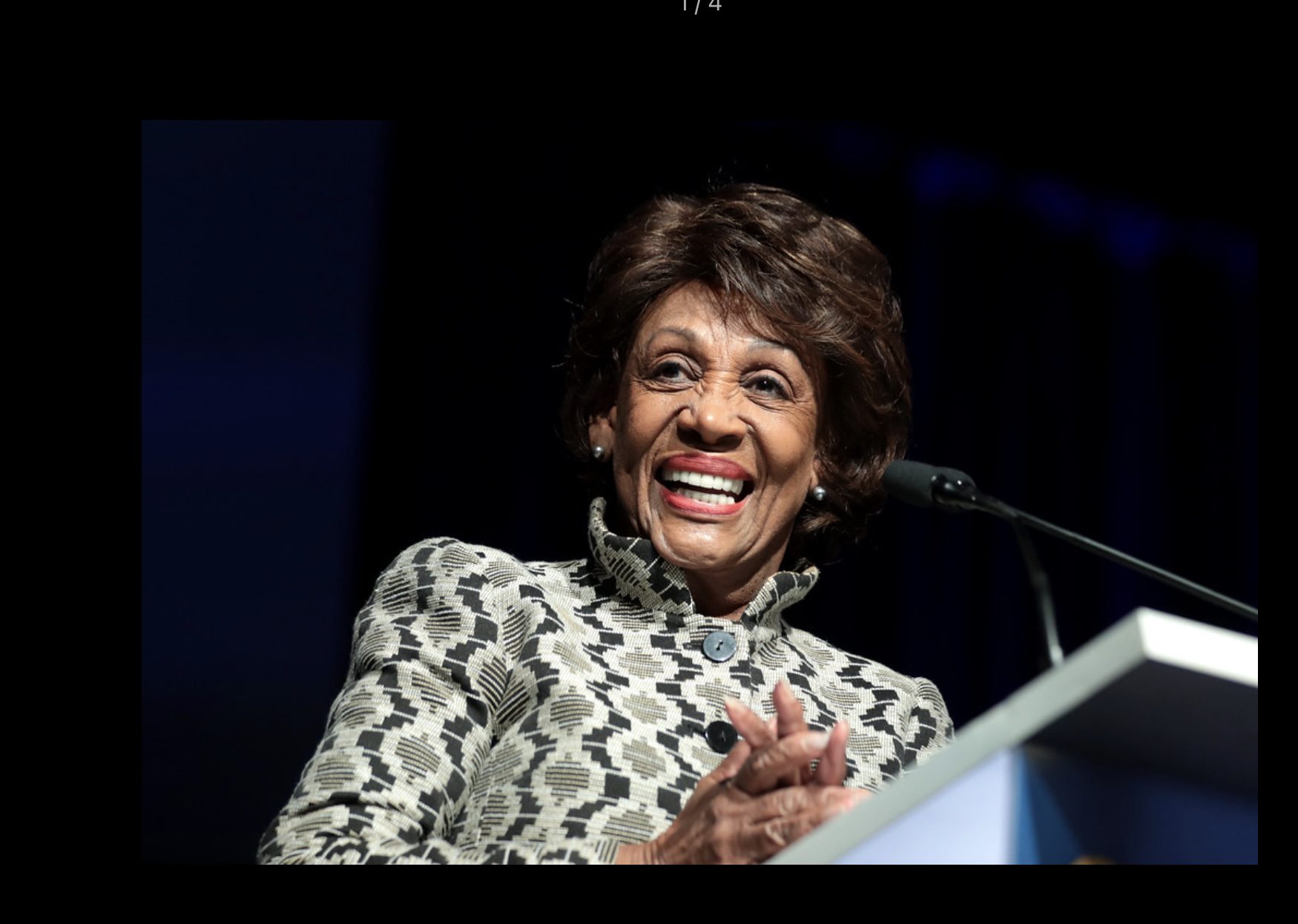
Congresswoman Maxine Waters, a Democrat on the House Financial Services Committee, has asked the Federal Reserve Bank of Kansas City to explain why it allowed cryptocurrency company Kraken to access certain services of the U.S. financial system.
In a letter addressed to the regional bank's president, Jeff Schmid, Waters questions the approval of a so-called "limited purpose account" for Payward Financial, an entity linked to Kraken and registered in Wyoming as a special purpose depository institution. According to the lawmaker, this decision could set a significant precedent by opening the door for crypto companies to access the Federal Reserve's payments infrastructure directly.
Kraken at the Fed
Waters warns that the decision raises major regulatory and public policy questions, especially at a time when innovation in digital assets, payments and emerging technologies is moving faster than existing legal frameworks. In her letter, she stresses that access to critical Federal Reserve systems carries significant responsibility and should not be granted without full transparency, a clear legal basis and solid risk management safeguards.
Coinbase launches mortgages backed by Bitcoin and USDC
The congresswoman also criticizes the lack of public information on the real scope of the approval. The statement issued by the Federal Reserve Bank of Kansas City does not detail which specific services Kraken could access or under what conditions, citing commercial confidentiality. However, Waters notes that neither current legislation nor the Federal Reserve's existing guidelines explicitly contemplate this type of "limited purpose account," which increases uncertainty.
In this regard, the letter requests clarification on whether Kraken will be able to use services such as Fedwire, FedACH, cash management or check clearing, as well as on possible restrictions on balances or overdrafts. It also demands to know what controls were applied regarding money laundering prevention, prudential supervision and consumer protection before the account was authorized.
Commercial banks
Waters also asks for details on the decision-making process, including whether the Federal Reserve Board or other federal or state authorities reviewed or discussed the approval, and whether there was any kind of coordination or external influence. The lawmaker has set April 10, 2026 as the deadline for receiving a formal response.
The case comes amid a growing debate in the United States over the role of cryptocurrency companies within the traditional financial system. While commercial banks have had direct access to Federal Reserve services for decades, crypto platforms generally operate through intermediaries, leading regulators and lawmakers to closely monitor any change in this arrangement.