The European Securities and Markets Authority (ESMA) has put figures on the degree of adoption of the MiCA regulation with the publication of its latest compliance table. The document confirms that the vast majority of national EU regulators have already secured their supervisory systems to protect users and guarantee transparency in the flow of digital assets.
The new framework sets out the roadmap that entities must follow so that the sending and receiving of cryptoassets leaves the grey area behind and operates under control protocols and legal guarantees in line with the demands of the European single market
Spain and the main economies, in the compliance group
The publication of this document responds to the provisions of Article 16(3) of the ESMA Regulation, a control mechanism that legally obliges national competent authorities to report whether they comply or intend to comply with each set of guidelines or recommendations issued. Under this mandate, if a national regulator decides not to apply the European rules, it must formally notify ESMA of the reasons. The regulator has the power to assess case by case and decide whether to publish those reasons, thus ensuring that the market and users know which countries are aligned with the common supervisory standard.
OKX obtains a Payment Institution license to operate with stablecoins in Europe
ESMA's table shows that regulators such as the CNMV in Spain, BaFin in Germany, the AMF in France and the MFSA in Malta have confirmed that they already strictly comply with investor protection protocols.
Delays in Poland, Portugal and Romania
For the European user, this means that operating from these jurisdictions offers a guarantee of legal certainty, since their national supervisors have formally adopted the criteria of ESMA on transparency in the information accompanying each transfer. As well as the protection of customer rights during the sending process and the implementation of governance mechanisms to mitigate operational risks.
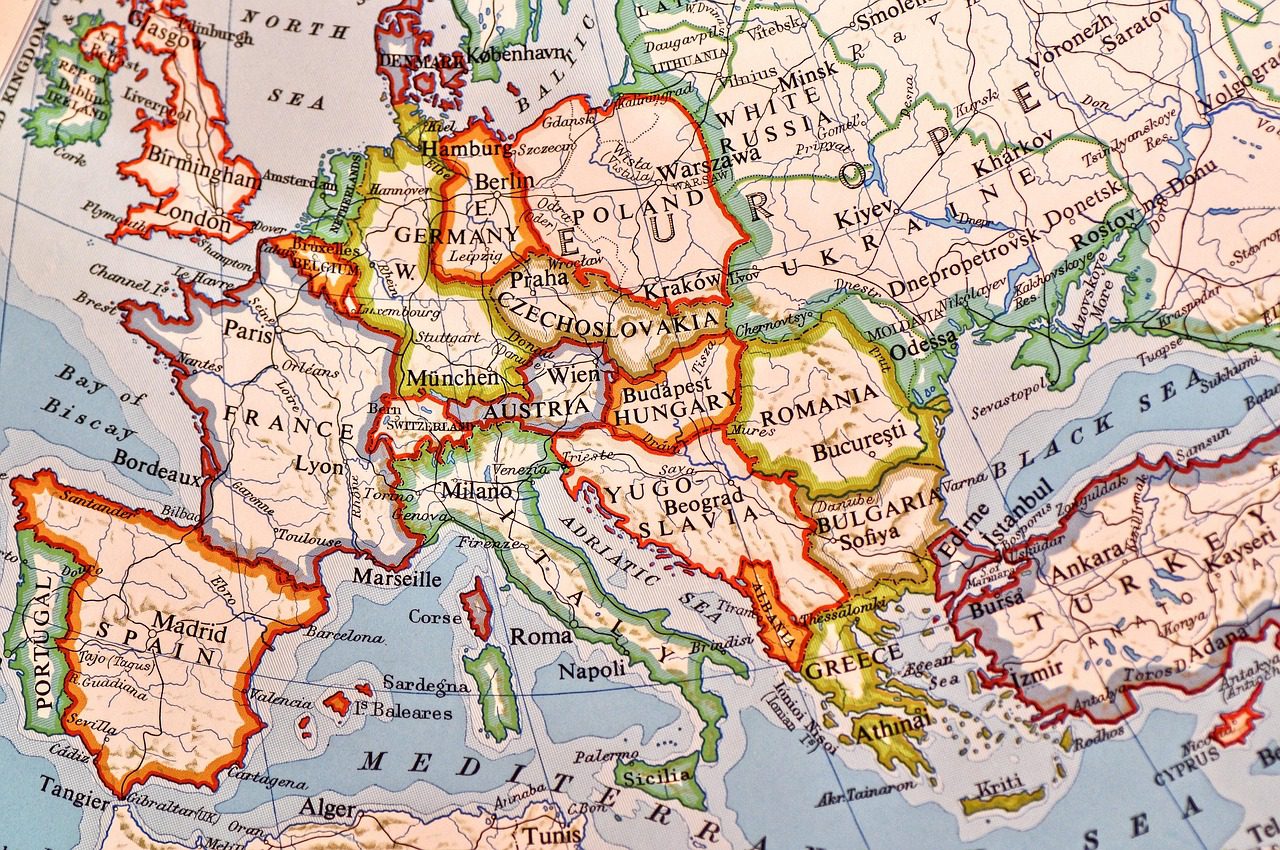
Despite the overall progress, the document also identifies certain regulatory blind spots. Countries such as Poland, Portugal and Romania appear in a situation of default non-compliance. As ESMA clarifies, this is not due to opposition to the rule, but rather to the fact that these Member States have yet to formally designate which authority will be competent to supervise these specific guidelines. For their part, countries such as Hungary have requested a technical extension, with the intention of fully complying with the guidelines by the end of March 2026.
A unified standard
The ultimate goal of this document is to prevent market fragmentation and to ensure there are no jurisdictions within the European Union with laxer rules. This would guarantee that any transfer of digital assets, regardless of the country of origin or destination within the EU, takes place under the same umbrella of protection and technical supervision.