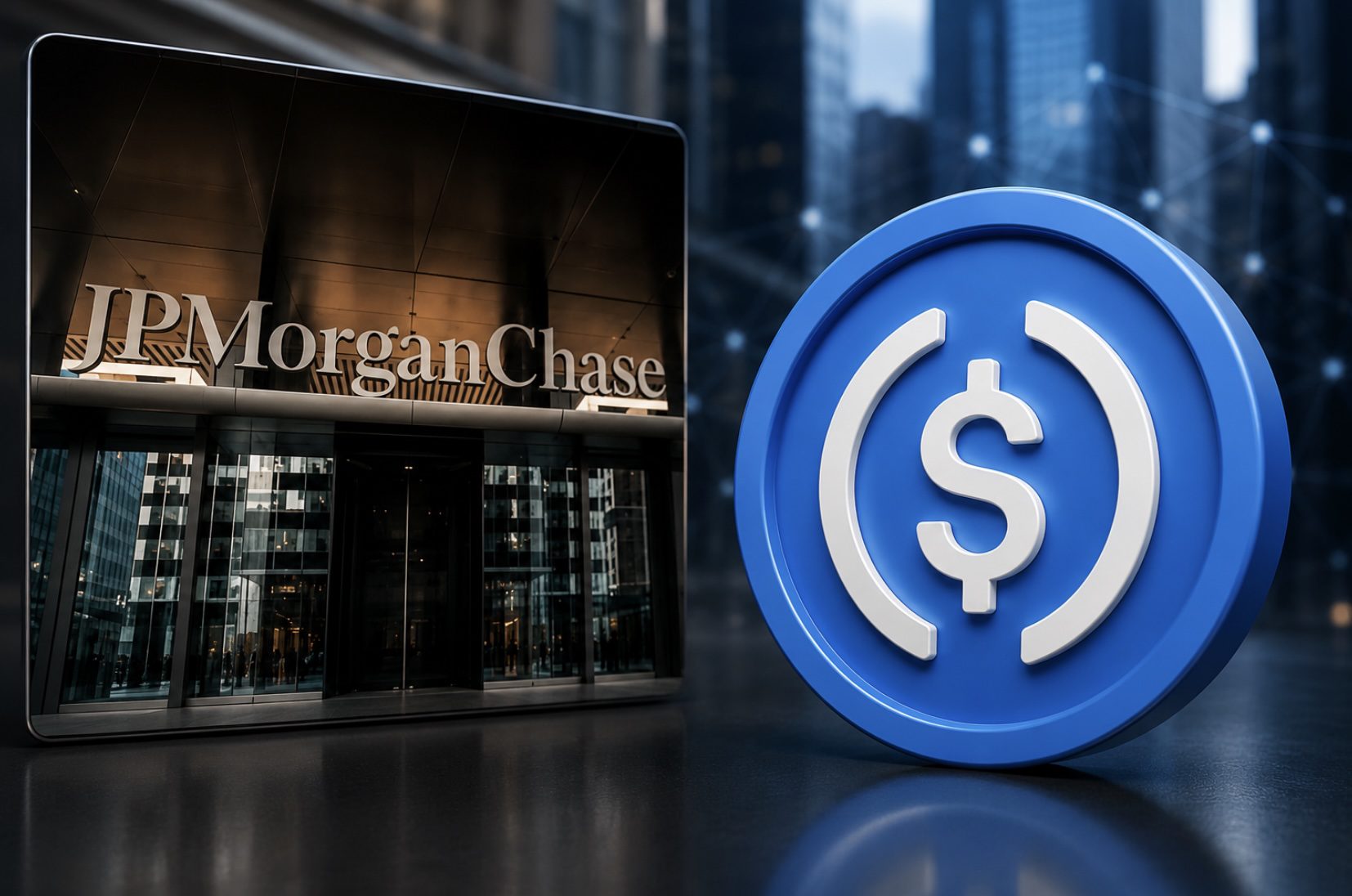
JPMorgan today filed with the SEC a tokenized money market fund on Ethereum aimed at the future regulated market for stablecoin reserves in the United States. The operation is detailed in the Statement of Additional Information (SAI) filed with the SEC, where the largest US bank sets out how it will integrate public blockchain infrastructure within a fund regulated under the Investment Company Act of 1940.
JPMorgan's fund will invest in US Treasury bills, bonds and notes
According to the documentation filed, published by The Block, the fund will invest exclusively in US Treasury bills, bonds and notes, as well as overnight repurchase agreements fully backed by US government debt and cash. JPMorgan notes that this composition aligns with the assets intended to back regulated stablecoins under the future legislative framework.
The document notes that the fund aims to meet the liquidity and backing needs of future issuers of regulated stablecoins, which will be required to hold reserves made up of high-quality assets that are immediately available. The documentation filed with the SEC adds that stablecoin issuers will be able to include shares of the fund as part of the reserves backing their tokens, which would turn the vehicle into a possible piece of institutional infrastructure within the future US stablecoin market.
Europe's big banks demand that the EU unlock blockchain financial markets
JPMorgan will manage the fund through JPMorgan Investment Management Inc. and will use blockchain technology developed by Kinexys Digital Assets (KDA), the bank's blockchain division formerly known as Onyx. Although the system will run on the public network of Ethereum, JPMorgan will apply a permissioned model in which only previously authorized blockchain addresses will be able to interact with the tokenized assets.
Only USDC will be accepted
One of the most relevant aspects of the project is its direct integration with existing stablecoins. JPMorgan will allow institutional clients to acquire fund shares using USDC, the stablecoin issued by Circle. The conversion will be carried out through external services integrated into the Morgan Money platform. According to the documentation, initially only USDC will be accepted, although the bank leaves open the possibility of incorporating other stablecoins in the future.
Despite this integration, JPMorgan stresses that the product will not be considered a stablecoin in legal terms. The bank clarifies that the tokens registered on blockchain do not represent digital payment money, but rather shares in a regulated money market fund, and states expressly that the vehicle will not act as a stablecoin issuer.
The infrastructure developed by Kinexys Digital Assets will also enable advanced functions through smart contracts, including minting and burning of tokens, transfer restrictions, recovery of assets sent by mistake and reconciliation mechanisms between the blockchain records and the fund's official systems.
Blockchain wallets
The model will also require investors to use blockchain wallets and manage their own private keys, either directly or through authorized third-party providers. The documentation also devotes a lengthy section to the risks associated with the use of blockchain and stablecoins. JPMorgan mentions possible regulatory problems, smart contract failures, congestion of the Ethereumnetwork, chain forks, fee volatility and liquidity risks arising from possible crises of confidence in stablecoin issuers.
The text even acknowledges that a loss of confidence in stablecoins could trigger mass redemptions and directly affect the fund's liquidity and operation.
The initiative reinforces the rapprochement between Wall Street and the regulated stablecoin market. Instead of launching its own cryptocurrency, JP Morgan opts to use public blockchain infrastructure to develop institutional financial products tied to the digital dollar ecosystem.
Ethereum, the only compatible network
Ethereum will initially be the only network compatible with the fund, although the entity is considering adding other public blockchains in the future. The documentation also acknowledges that temporary differences could arise between the tokenized balances recorded on blockchain and the fund's official register, because Ethereum operates continuously while legal records are only updated on business days.
The document also reflects Wall Street's growing concern about the regulatory and geopolitical risks associated with international markets. JPMorgan warns about possible capital controls, restrictions on dollar payments, nationalizations, retroactive taxes and difficulties in recovering assets in emerging markets.
The entity also points to limitations in international financial supervision, especially in countries such as China, and acknowledges that problems related to custody, settlement and financial transparency in certain jurisdictions could directly affect funds and institutional investors.