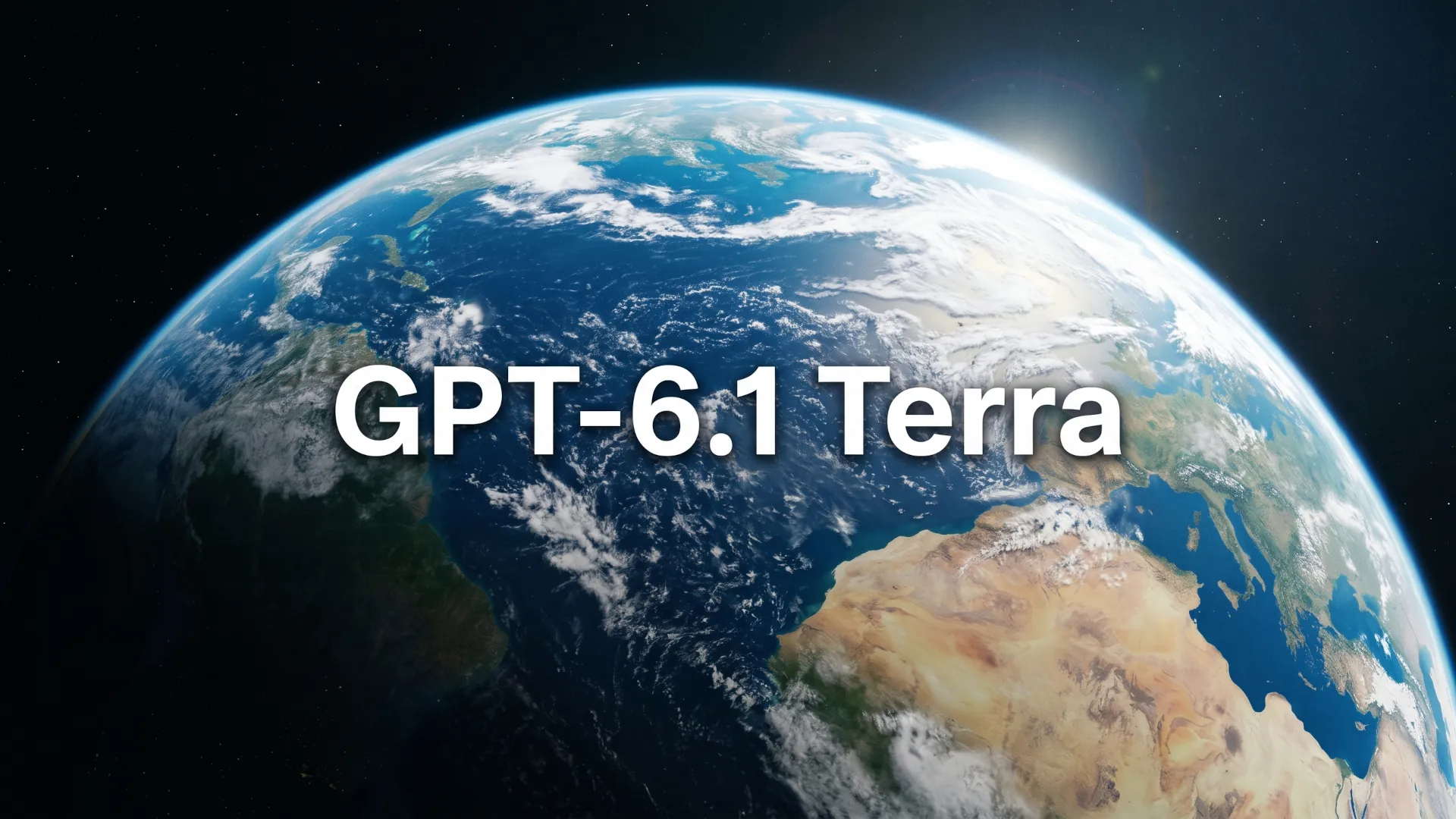
The new models that OpenAI and Anthropic presented on September 22 are beginning to sketch out an artificial intelligence quite different from the one we have known so far. The goal of GPT-6 Sol, GPT-6 Luna and Claude Opus 5.5 is no longer solely to compete over offering better answers. The race has shifted toward building agents capable of working autonomously and distributing tasks among different models based on their capabilities, specialization and costs.
Digital workers for each task
The shift increasingly resembles a team of digital workers. That is, AIs with different levels of capability and price that can share the same job and use tools to complete it. If this architecture ends up taking hold within companies, their executives will have to ask themselves which digital workers they need for each task, what level of intelligence each job requires and how much it costs to put them to work.
Claude Opus 5.5 occupies the terrain of the most complex jobs. Anthropic has oriented it toward programming, professional tasks and agents capable of using tools and computers, coordinating subagents and sustaining lengthy processes with less human intervention. The company also claims it can perform certain jobs at a cost around 40% lower than that of Opus 5.
Working with agents
OpenAI has taken that specialization a step further by splitting GPT-6 into models aimed at different economic needs. GPT-6 Sol is designed for complex programming and agentic workflows. It can combine files, web search, code execution and computer use, and handle more than one million tokens of context. The intention is for it to take on extensive processes that require combining information, reasoning and tools.
This is Jev, the AI that doesn't write and decides at bargain prices
GPT-6 Luna occupies the other end, with tasks that need to be executed in large volumes and where cost matters more than having the maximum possible intelligence. With prices of $0.10 per million input tokens and $0.50 for output, OpenAI aims to make it economically more viable to use AI millions of times within business processes.
From choosing models to distributing work
This difference between Sol and Luna foreshadows where ChatGPT may be heading. Instead of always using the same intelligence for any request, systems can select different models depending on the work in front of them. It does not make much sense to use the most powerful model to classify an email, extract a data point from an invoice or check a category. That model can be reserved for programming, research, resolving a complex exception or making a decision that requires far more context.
The same logic appears in Claude with Opus 5.5's ability to coordinate subagents. A complex task can be divided and distributed among different processes before gathering the results. The models themselves are also learning to work in a less linear way. GPT-6 allows asynchronous tool calls, so it can continue with other parts of a job while waiting for the result of an operation, as well as receive new instructions during execution.
Cheap and more expensive models
The most important change in these launches is that ChatGPT and Claude are no longer just assistants, since both models were born as conversational windows with AI, but they are evolving into systems capable of organizing and executing work. In this sense, the next phase could be a layer that automatically decides which model should handle each part of a task. For example, a cheap one could be used for thousands of routine operations, a more capable one to analyze exceptions and a top-tier model for problems that really need greater reasoning.