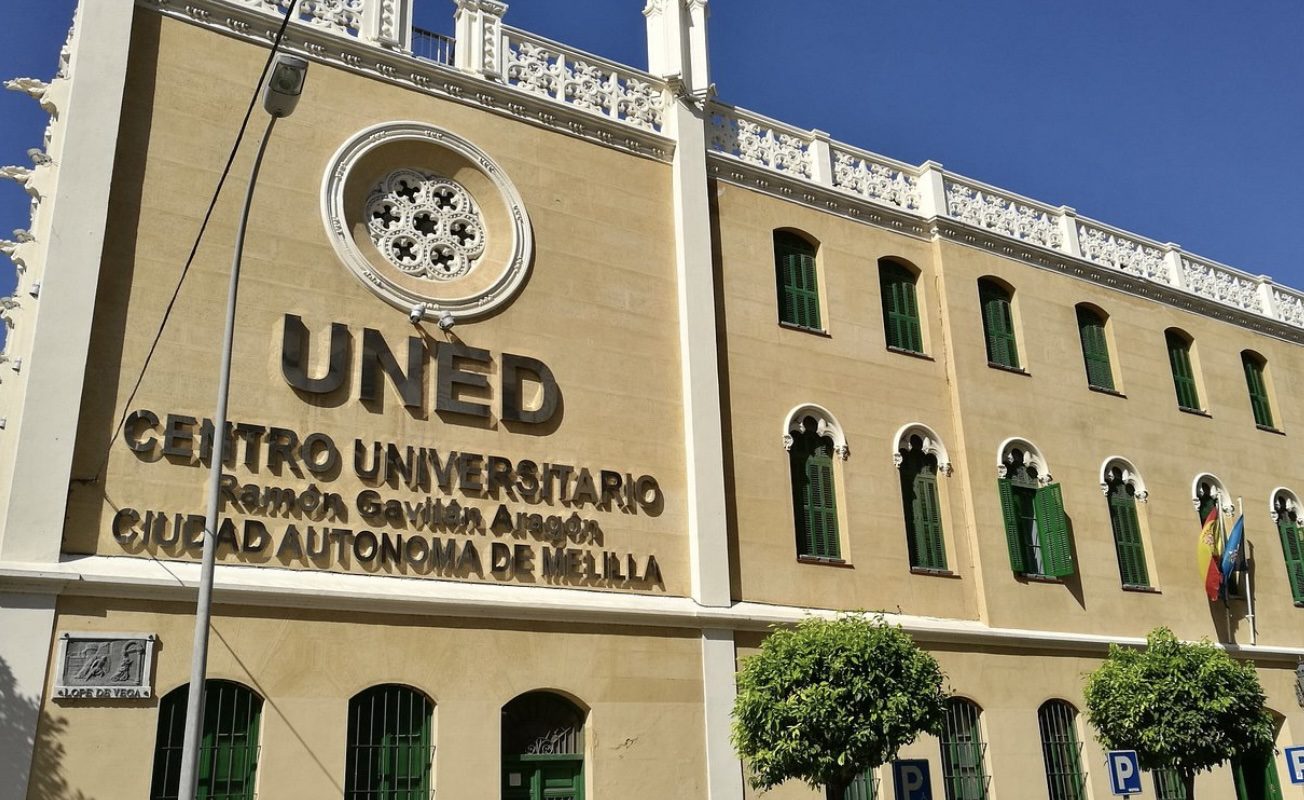
A team based in Melilla has developed a platform, called DecentraLabs, that allows universities and research centers to share physical laboratories, scientific equipment and experimentation resources over the Internet. The project, led by Luis de la Torre, a professor at the UNED School of Computer Engineering, aims to offer a response to the high cost of laboratories and their frequent underuse, one of the structural problems of higher education and research.
Blockchain technology and smart contracts
DecentraLabs proposes a digital infrastructure to discover, book and access laboratories remotely and verifiably. The system relies on blockchain technology and smart contracts to automate processes such as booking management, pay-per-use payments and access control to resources, allowing all operations to be recorded with full traceability.
The platform is structured as a decentralized marketplace that allows monetizing the use of shared laboratories. To this end it uses the $LAB token, with which bookings, payments, incentives and guarantees are automated under programmable and verifiable rules. According to the project's leaders, this model can help make the shared use of scientific infrastructures economically sustainable and facilitate access to experimentation resources for researchers and students from different institutions.
Facilitating institutional adoption
The first phase of the project was developed with funding from the European program NGI Sargasso and concluded in December 2025. During this stage the basic technical elements of the system were validated, including a decentralized marketplace for publishing laboratories, booking logic managed through smart contracts and an identity scheme designed to work with wallet-based authentication. The result was a functional prototype that demonstrated the technical viability of a shared model of access to experimental infrastructures.
Currently, DecentraLabs is in a second development phase funded by the Vietsch Foundation, based in the Netherlands. The stage is focused on facilitating institutional adoption of the platform, incorporating authentication mechanisms through academic credentials and simplifying the onboarding process for new laboratory providers. The goal is to move from a testing environment toward a service capable of sustaining pilots with real laboratories, meeting the security, reliability and operational requirements typical of a university environment in production.
Role of the UNED
The project's development is carried out through a collaboration between the company Nebulous Systems and the academic environment. According to the project's developers, the UNED participates by contributing its experience in remote laboratories and technology validation. A doctoral student also takes part in the project, working at the intersection of blockchain and cyber-physical systems. It also has the collaboration of the Blockchain group at the University of British Columbia, which contributes in aspects related to applied research, security and the design of decentralized systems.
Juan Luis Ramos Villalón, director of the UNED Melilla center, told Observatorio Blockchain that the goal of DecentraLabs is to facilitate shared access to real experimental infrastructures without the need for centralized intermediaries, guaranteeing traceability and sustainability from the system's design.
DecentraLabs will be presented at the upcoming Foro Transfiere, to be held in Málaga between February 24 and 26, where it will be present at the stand of the Autonomous City of Melilla. The participation will allow showing the project's progress as an example of applied innovation and knowledge transfer from the university to the technology and productive fabric.