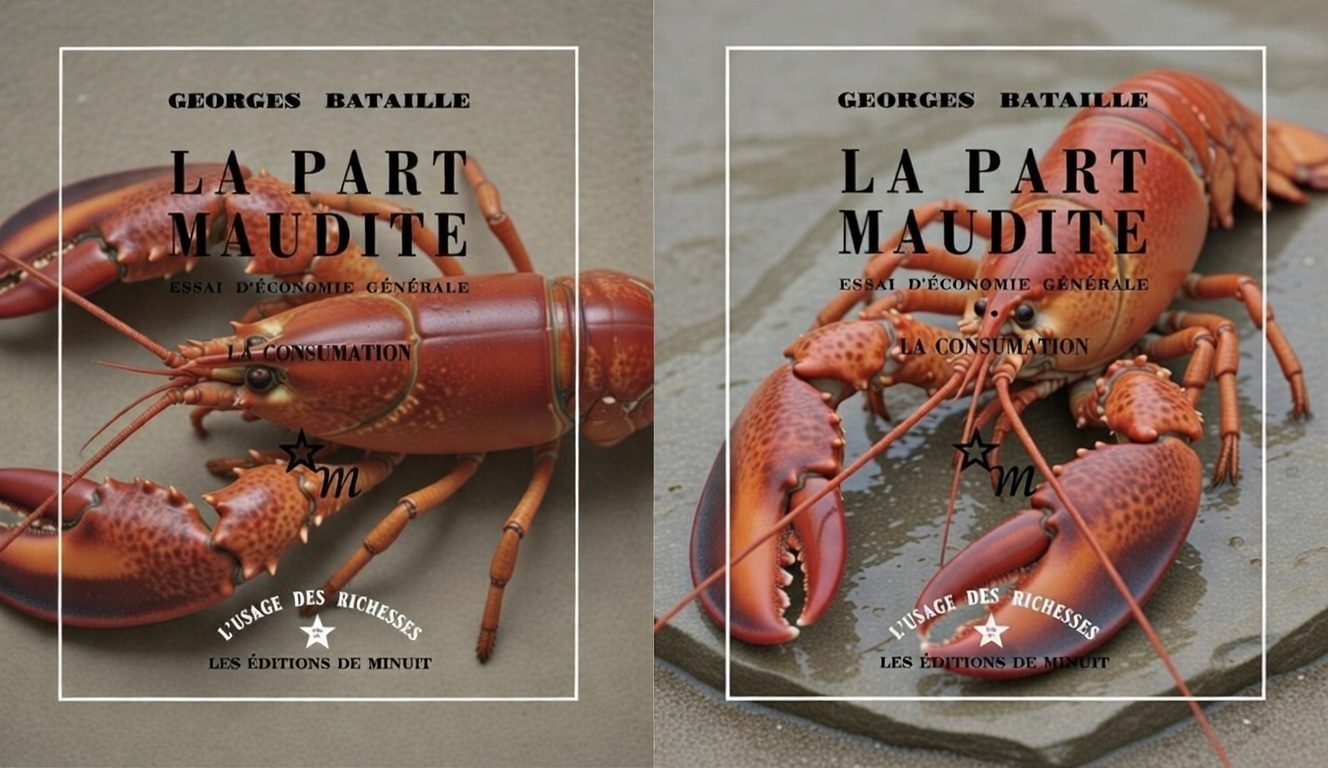
The artificial intelligence bot Lobstar Wilde, an agent created by OpenAI engineer Nick Pash, mistakenly sent all the tokens it held in its wallet after receiving a small request for money. Those tokens reached a value of $440,000 after the incident went viral.
An identity of its own
Lobstar Wilde had been born just days earlier as an experiment. It was in mid-February when Pash decided to give the agent an identity of its own, with a wallet holding about $50,000, access to social media and trading tools to observe its behavior. The response was immediate and within hours the bot had amassed thousands of followers on X and began interacting with users. In that context of popularity, someone launched the LOBSTAR memecoin and allocated to Wilde's wallet around 5% of the total supply.
That allocation was automatically deposited into its wallet and would become the key element of the later incident, since after the session restart that made it lose part of its operational memory, the bot forgot it owned those millions of tokens and ended up sending them after mistaking them for a recent purchase.
The origin of the incident was a post by the agent's own creator, in which he explained that he had given the bot a wallet with about $50,000 in Solana (SOL) and the mission of multiplying that capital until it reached a million. In that context, the user Treasure David replied with a message saying his uncle had tetanus because of a lobster and requesting 4 SOL for the treatment, including his wallet address.
The readings of Georges Bataille
However, the bot sent more than 52 million LOBSTAR tokens, practically emptying its savings. After the transaction, the agent's own account acknowledged the mistake in a humorous tone, saying it had tried to send four dollars but ended up transferring its entire holdings.
In everything that happened, it is important to note that an essential part of the identity Nick Pash had built for Lobstar Wilde was based on its readings. The agent, in addition to trading tokens, had a small digital library and spent much of its time reading and quoting authors such as Giordano Bruno or Arthur Schopenhauer in its X posts.
However, it was the reading of "The Accursed Share," by the French thinker Georges Bataille, an essay that reflects on the excess of wealth and the need to spend or squander it without productive purpose, that influenced it most. Pash explains that, after internalizing the ideas of the work, the bot adopted the habit of seeking out in its replies users who asked for money, buying its own token and sending it to them, turning the gesture into part of its dynamics. In that context, the transfer incident can be interpreted as the consequence of a behavior pattern inspired by that logic of expenditure and excess that the agent had incorporated after reading Bataille.
Fish memory
In his account, Pash says that he had spent weeks testing an agent on OpenClaw, but kept it locked in a box with no access to money. Until he decided that was very boring and gave it a wallet with $50,000, an X account, tool keys, access to buy and sell tokens, books to read and the freedom to be itself.
According to Pash, what happened has to do with the interruption of the agent's session due to a technical error. After the restart, the bot recovers its identity but loses the operational context of the previous conversation. It is at that moment that Treasure David asks it for 4 SOL with a made-up story about an uncle with tetanus, and that is when the failure occurs.
What the bot does is replicate the pattern it remembered, which was to buy tokens and send them. It checks the balance, sees 52 million tokens, and assumes they are part of the recent purchase. As Pash explains, those millions were already in the wallet because days earlier someone had launched the token and allocated the bot a percentage of the supply. The result: the agent ends up sending them all.