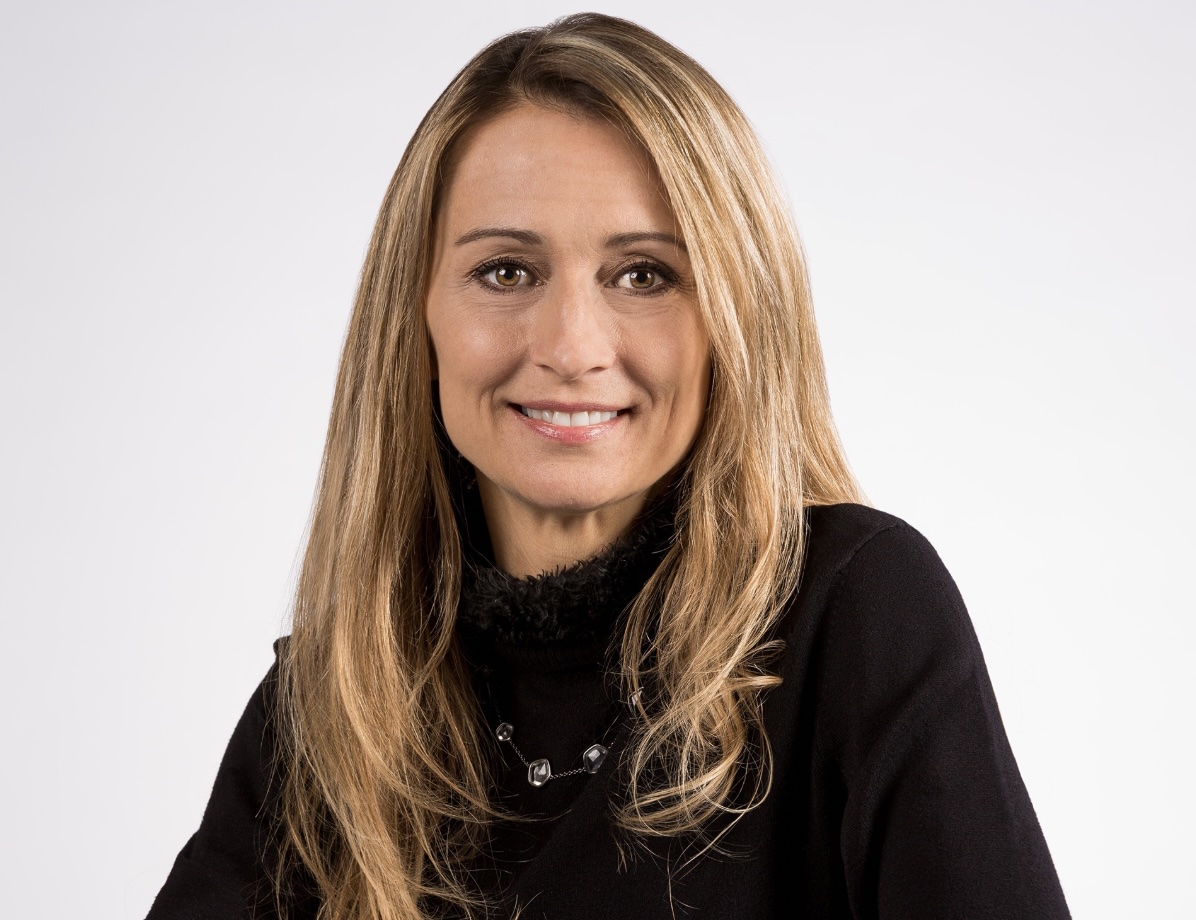
Ursula von der Leyen said at the World Economic Forum in Davos that the European Commission places artificial intelligence among its strategic priorities and highlighted the AI-first principle as one of the pillars for attracting investment, boosting innovation and strengthening Europe's technological competitiveness.
During her speech, the Commission president stressed that Europe has the assets needed to compete in the development and adoption of artificial intelligence, including savings, professional skills and innovation. In this context, she pointed to the role of AI factories and gigafactories and advanced applications as key elements for mobilizing these resources and bringing them to their full potential.
AI linked to defense and security
Von der Leyen said that European companies are adopting artificial intelligence at the same pace as their US counterparts and argued that Europe is actively competing for the key technologies of the future. In her view, AI has become a central factor for both economic growth and the continent's strategic autonomy, in an environment of increasingly intense global competition.
Crypto capital enters Europe through Germany amid tension with the United States
The president also linked artificial intelligence to other strategic areas, such as defense and security. She recalled that the increase in European defense spending has driven the development of technology companies working on software and AI-based systems, as well as advanced drones and dual-use surveillance technologies, while at the same time strengthening Europe's industrial and technological base.
She also highlighted the relationship between AI deployment and energy policy. According to her, the development of digital infrastructure, data centers and advanced computing capabilities requires a stable, affordable and resilient energy supply, which reinforces the need to move toward a true energy union based on interconnected grids, renewables and nuclear.
Startups in 48 hours
After placing artificial intelligence as the technological axis, Von der Leyen broadened her analysis to Europe's economic transformation as a whole. She noted that the world is undergoing a permanent structural change and that Europe cannot count on the old order being restored. In her view, the current geopolitical crises should be understood as an opportunity to strengthen the Union's economic, political and technological independence.
In this context, she recalled that the Commission is working to reduce Europe's structural dependencies in areas such as energy, raw materials, defense and the digital sector. She stressed that this effort requires a sense of urgency and the ability to act at scale and quickly.
Von der Leyen also referred to the need to create a more favorable environment for the growth of innovative companies. In this regard, she explained that regulatory fragmentation within the single market remains an obstacle for companies to scale in Europe and access financing. To address this problem, she recalled the initiative known as the "28th regime", aimed at making it easier for companies to operate across the Union under a single set of rules. The 28th regime consists of being able to create a startup in any European Union country within 48 hours and fully digitally.
Mobilizing capital
The president also emphasized the need to mobilize capital at scale. In this regard, she advocated advancing the Savings and Investment Union as a key piece for creating a deeper and more liquid capital market capable of channeling resources toward startups, SMEs, innovation and the technology industry. The Savings and Investments Union is an initiative aimed at improving the channeling of citizens' savings into productive investments in the EU financial system.
In conclusion, Von der Leyen said that the world has changed permanently and that Europe must adapt to this new reality. According to her, strengthening the technological base, with artificial intelligence as one of its pillars, together with industry, energy and capital, is an essential condition for guaranteeing the prosperity, security and decision-making capacity of the European Union in the new global scenario.